Table of Content
Title

Connect with
us to begin your healing journey today.
Experience holistic healing that restores balance and vitality.
Mind Over Matter: How the Mind Helps Real Physiological Change?
Mind Over Matter: How the Mind Helps Real Physiological Change?
Mind Over Matter: How the Mind Helps Real Physiological Change?
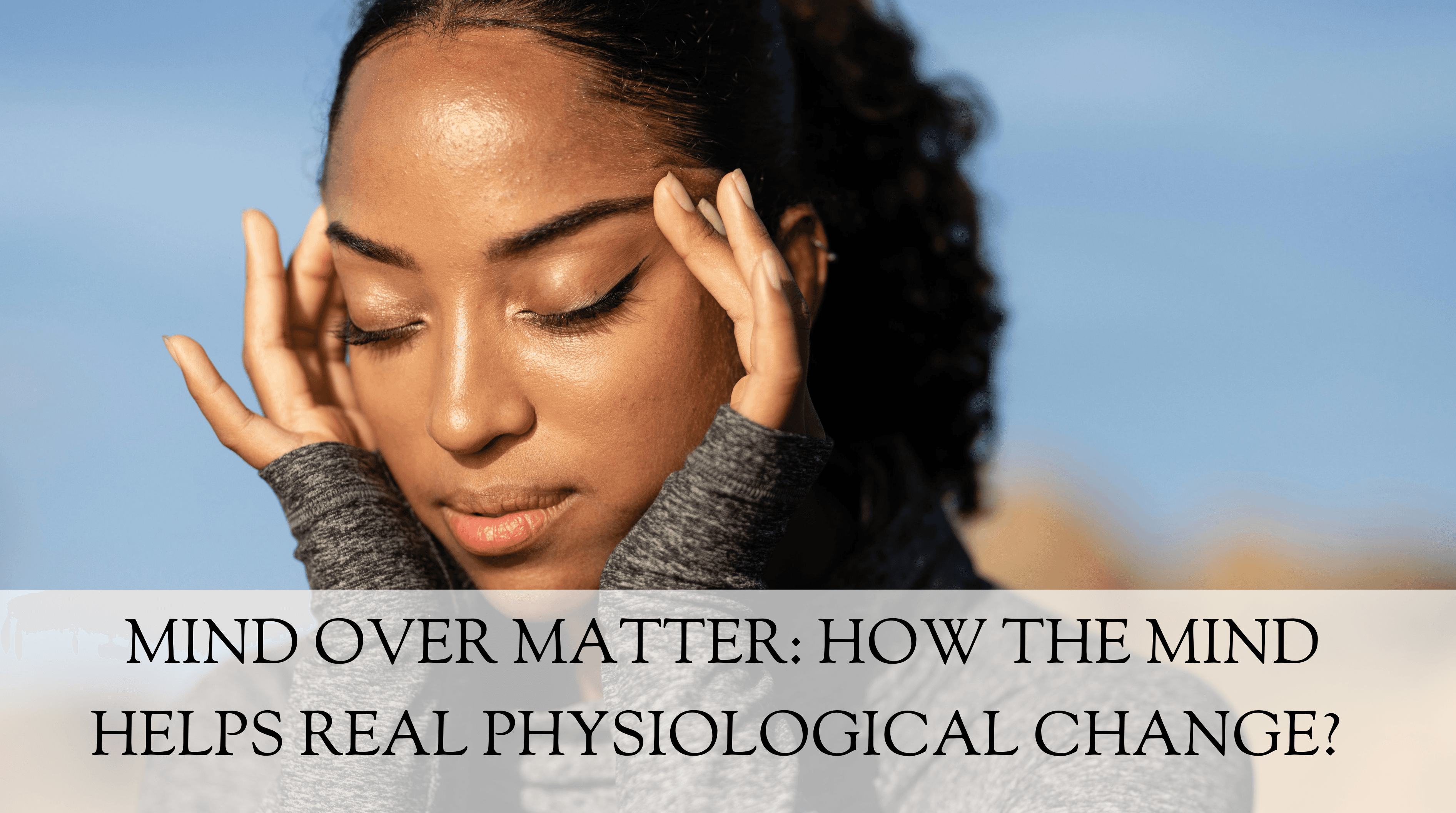
Healing is usually treated like it’s only a body thing. Decrease inflammation, steady hormones, cool down symptoms, and sooner or later, you feel better. Sure, these physical supports are huge, but more clinical experience, and research too, points to something a bit more layered like lasting healing often depends on the mind, not just the tissues.
At the Center for Natural Medicine, we kind of look at the mind like it is an active participant in wellness and healing, not just somebody standing by watching everything from the sidelines. Thoughts, emotions, convictions, and even those subconscious grooves keep sending little signals into the nervous system, immune function, and the body’s own rebuilding powers.
When the internal messages stay steady and encouraging, healing often seems to progress more efficiently. But when the mind gets stuck in a loop of persistent strain, anxiety, or fear, the body may end up struggling more to respond, even if the physical care is excellent.
The Mind as a Physiological Signal
Your brain and nervous system treat thoughts and emotions like real information. When someone lives with chronic worry, self-criticism, unresolved stress, or fear, the stress response can stay switched on. That means stress hormones go up, while digestion, immune functioning, tissue repair, and sleep can get quietly suppressed.
There’s also evidence that mindset and expectations around treatment efficacy can shape physiological outcomes. Similar to placebo effects, the belief that something will work can lead to measurable changes in the immune, cardiovascular, and neuroendocrine systems.
But unlike placebos, which lean on deception, a positive mindset can strengthen active treatments and healthy routines. For example, a patient who really expects to benefit from a new therapy or medication may feel more improvement. And someone approaching weight loss or an exercise plan with confidence and purpose might get better results too, even if the program itself is the same.
When the body stays in a “fight or flight” mode, it starts prioritizing survival, instead of restoration. Over time, that pattern may contribute to inflammation, fatigue, frequent illness, pain, digestive trouble, anxiety, and shifts in mood. So even when the physical treatment is solid, healing can feel stuck if the nervous system remains braced for danger.
On the flip side, supportive self-talk, calming mental imagery, and better emotional regulation send totally different cues. When the nervous system senses safety, it can shift toward the parasympathetic mode, often described as “rest, digest, and heal.” This is the area where immune activity, cellular repair, and hormonal balance are more easily supported.
Subconscious Patterns Shape Healing
A lot of stress reactions and health patterns don’t come purely from conscious decisions. Habits, emotional reflexes, core beliefs, and automatic thought scripts are mostly shaped and stored in the subconscious mind. One big trait of the subconscious is that it doesn’t neatly separate imagination from physical reality. Instead, it seems to react to repeated thoughts, emotional tone, self-talk, and mental pictures that keep getting reinforced over time.
This is one reason two people can go through the same situation and yet end up with very different emotional and physical results. Usually, it’s not the outside event that changes first, it’s the internal meaning attached to it. Eventually those meanings turn into learned patterns that steer how the nervous system responds to stress, safety, and healing.
Research in psychoneuroimmunology, sometimes paired with structured mental health supports such as psychotherapy services in Connecticut, shows how thoughts and feelings can influence nervous system activity, hormone signaling, immune response, and inflammation. Mental imagery is a clear example here. If someone vividly imagines a tense or threatening scenario, the body may react with a higher heart rate, muscle tension, and stress hormone release, even without an actual threat present. Imagery tied to calm, safety, or support can create the opposite effect—breathing slows, muscles let go, and the body gets a “okay, we can restore” signal.
The Immune System Answers to what’s Going on in your Mind
A lot of research on self-hypnosis and guided imagery, keeps piling up the evidence for this mind ↔ nervous system ↔ immune function link. In multiple studies, people who practiced self-hypnosis while using immune focused pictures tended to show more solid immune responses during stressful stretches, and they also reported fewer illness episodes. On top of that, emotional well-being often gets better too like the body starts cooperating more, when the inner world feels steadier.
What seems to matter here is nervous system downregulation. Things like hypnosis therapy near you and guided imagery can help nudge the body out of that constant “chronic stress mode” and more toward parasympathetic dominance. When that internal climate changes, it makes room for immune activity, recovery, and long-term resilience. It’s not really about forcing healing, more like making space, so the body can do what it’s meant to do once it finally feels safe and properly supported.
Hypnotherapy as a Root Cause Lever
Hypnotherapy gives a more directed, caring way to work with the subconscious mind. That’s where a lot of emotional patterns, beliefs, and stress reactions tend to get filed away. In a hypnotic state, the mind becomes easier to reach, and insight plus change can land more naturally. People often find they can trace back to deeper patterns, the ones that quietly shape physical or emotional symptoms.
Since many symptoms grow out of subconscious conditioning, rather than conscious decisions, hypnotherapy can target causes that don’t always show up through logic or pure willpower. By easing internal imagery, adjusting emotional connections, and changing habitual thought pathways, hypnotherapy helps support nervous system regulation and keeps the mind more aligned with the body’s built in healing rhythm.
The Mind as a Builder of Health
A bunch of healing traditions have been saying something similar for a long time, the mind plays a creative role in how we experience our physical life. There’s an idea that the mind organizes internal processes, and then the body “speaks it out” over time. In that view, repeated thoughts, and mental pictures act like an internal layout, a kind of blueprint that can shape physiology.
Also, this is not saying symptoms are fake or “invented.” Physical symptoms are real, and they deserve real care. The point is more subtle; it suggests internal mental patterns shape the conditions where healing actually takes place. If the mind keeps sending a threat signal, the body stays on guard. But if the mind starts signaling safety and coherence, the body becomes more ready for repair, restoration, and rebalancing.
And honestly, modern neuroscience together with immune research is catching up more and more. It’s reinforcing this bigger theme that you can’t fully address health while ignoring the mind, especially when physical treatment is part of the plan.
Supporting Healing, at the Center for Natural Medicine
At the Center for Natural Medicine, hypnotherapy is offered as part of a holistic root cause style approach to care. Our practitioners understand that real, long-lasting healing usually means helping the body, calming the nervous system, and also working with subconscious patterns, side by side.
If you feel sort of stuck even after treatment, or you notice the same emotional or physical rhythm keeps coming back, or you’re just genuinely curious about how your beliefs may be shaping your health, then hypnotherapy can be a gentle next step. We aim to bring the mind and the body into better accord, so the right environment is there, for deeper and more sustainable recovery.
Reach out to the Center for Natural Medicine to find out more about hypnotherapy, and how mind body support can become part of your healing journey, in a real way.
References:
Edgar Cayce’s A.R.E. (2021). Enhancing our minds. https://content.edgarcayce.org/about-us/blog/blog-posts/january-enhancing-our-minds/
Farris, R. (n.d.). Mind over matter: Exploring the powerful connection between mindset and healing. https://ronnifarrismd.com/mind-over-matter-exploring-the-powerful-connection-between-mindset-and-healing/
Gruzelier, J. H. (1998). Self-hypnosis with immune imagery and its effects on immune function and well-being. Retrieved from PubMed database. https://pubmed.ncbi.nlm.nih.gov/12186693/
Frequently Asked Question
1. How does the mind affect physical healing?
The mind plays a direct role in physical healing by influencing the nervous system, immune response, and hormone balance. Thoughts, emotions, and stress levels can either support recovery or slow down over time.
2. Can stress and anxiety delay healing in the body?
Yes, ongoing stress and anxiety can keep the body in a “fight or flight” state, which may reduce immune function, slow tissue repair, and impact sleep, all of which are important for proper healing.
3. What is hypnosis therapy and how does it help?
Hypnosis therapy is a guided approach that works with the subconscious mind to shift thought patterns and emotional responses. It can help reduce stress, improve mental clarity, and support the body’s natural healing processes.
4. Is psychotherapy useful for mind-body healing?
Psychotherapy can be very helpful in mind-body healing. It helps individuals understand emotional patterns, manage stress, and improve mental health, which can positively affect physical well-being.
5. What treatments support both mental and physical healing together?
A multidisciplinary approach often works best. Treatments like hypnotherapy, psychotherapy, naturopathic care, and holistic therapies such as reiki or traditional Chinese medicine can support both mind and body together.
Healing is usually treated like it’s only a body thing. Decrease inflammation, steady hormones, cool down symptoms, and sooner or later, you feel better. Sure, these physical supports are huge, but more clinical experience, and research too, points to something a bit more layered like lasting healing often depends on the mind, not just the tissues.
At the Center for Natural Medicine, we kind of look at the mind like it is an active participant in wellness and healing, not just somebody standing by watching everything from the sidelines. Thoughts, emotions, convictions, and even those subconscious grooves keep sending little signals into the nervous system, immune function, and the body’s own rebuilding powers.
When the internal messages stay steady and encouraging, healing often seems to progress more efficiently. But when the mind gets stuck in a loop of persistent strain, anxiety, or fear, the body may end up struggling more to respond, even if the physical care is excellent.
The Mind as a Physiological Signal
Your brain and nervous system treat thoughts and emotions like real information. When someone lives with chronic worry, self-criticism, unresolved stress, or fear, the stress response can stay switched on. That means stress hormones go up, while digestion, immune functioning, tissue repair, and sleep can get quietly suppressed.
There’s also evidence that mindset and expectations around treatment efficacy can shape physiological outcomes. Similar to placebo effects, the belief that something will work can lead to measurable changes in the immune, cardiovascular, and neuroendocrine systems.
But unlike placebos, which lean on deception, a positive mindset can strengthen active treatments and healthy routines. For example, a patient who really expects to benefit from a new therapy or medication may feel more improvement. And someone approaching weight loss or an exercise plan with confidence and purpose might get better results too, even if the program itself is the same.
When the body stays in a “fight or flight” mode, it starts prioritizing survival, instead of restoration. Over time, that pattern may contribute to inflammation, fatigue, frequent illness, pain, digestive trouble, anxiety, and shifts in mood. So even when the physical treatment is solid, healing can feel stuck if the nervous system remains braced for danger.
On the flip side, supportive self-talk, calming mental imagery, and better emotional regulation send totally different cues. When the nervous system senses safety, it can shift toward the parasympathetic mode, often described as “rest, digest, and heal.” This is the area where immune activity, cellular repair, and hormonal balance are more easily supported.
Subconscious Patterns Shape Healing
A lot of stress reactions and health patterns don’t come purely from conscious decisions. Habits, emotional reflexes, core beliefs, and automatic thought scripts are mostly shaped and stored in the subconscious mind. One big trait of the subconscious is that it doesn’t neatly separate imagination from physical reality. Instead, it seems to react to repeated thoughts, emotional tone, self-talk, and mental pictures that keep getting reinforced over time.
This is one reason two people can go through the same situation and yet end up with very different emotional and physical results. Usually, it’s not the outside event that changes first, it’s the internal meaning attached to it. Eventually those meanings turn into learned patterns that steer how the nervous system responds to stress, safety, and healing.
Research in psychoneuroimmunology, sometimes paired with structured mental health supports such as psychotherapy services in Connecticut, shows how thoughts and feelings can influence nervous system activity, hormone signaling, immune response, and inflammation. Mental imagery is a clear example here. If someone vividly imagines a tense or threatening scenario, the body may react with a higher heart rate, muscle tension, and stress hormone release, even without an actual threat present. Imagery tied to calm, safety, or support can create the opposite effect—breathing slows, muscles let go, and the body gets a “okay, we can restore” signal.
The Immune System Answers to what’s Going on in your Mind
A lot of research on self-hypnosis and guided imagery, keeps piling up the evidence for this mind ↔ nervous system ↔ immune function link. In multiple studies, people who practiced self-hypnosis while using immune focused pictures tended to show more solid immune responses during stressful stretches, and they also reported fewer illness episodes. On top of that, emotional well-being often gets better too like the body starts cooperating more, when the inner world feels steadier.
What seems to matter here is nervous system downregulation. Things like hypnosis therapy near you and guided imagery can help nudge the body out of that constant “chronic stress mode” and more toward parasympathetic dominance. When that internal climate changes, it makes room for immune activity, recovery, and long-term resilience. It’s not really about forcing healing, more like making space, so the body can do what it’s meant to do once it finally feels safe and properly supported.
Hypnotherapy as a Root Cause Lever
Hypnotherapy gives a more directed, caring way to work with the subconscious mind. That’s where a lot of emotional patterns, beliefs, and stress reactions tend to get filed away. In a hypnotic state, the mind becomes easier to reach, and insight plus change can land more naturally. People often find they can trace back to deeper patterns, the ones that quietly shape physical or emotional symptoms.
Since many symptoms grow out of subconscious conditioning, rather than conscious decisions, hypnotherapy can target causes that don’t always show up through logic or pure willpower. By easing internal imagery, adjusting emotional connections, and changing habitual thought pathways, hypnotherapy helps support nervous system regulation and keeps the mind more aligned with the body’s built in healing rhythm.
The Mind as a Builder of Health
A bunch of healing traditions have been saying something similar for a long time, the mind plays a creative role in how we experience our physical life. There’s an idea that the mind organizes internal processes, and then the body “speaks it out” over time. In that view, repeated thoughts, and mental pictures act like an internal layout, a kind of blueprint that can shape physiology.
Also, this is not saying symptoms are fake or “invented.” Physical symptoms are real, and they deserve real care. The point is more subtle; it suggests internal mental patterns shape the conditions where healing actually takes place. If the mind keeps sending a threat signal, the body stays on guard. But if the mind starts signaling safety and coherence, the body becomes more ready for repair, restoration, and rebalancing.
And honestly, modern neuroscience together with immune research is catching up more and more. It’s reinforcing this bigger theme that you can’t fully address health while ignoring the mind, especially when physical treatment is part of the plan.
Supporting Healing, at the Center for Natural Medicine
At the Center for Natural Medicine, hypnotherapy is offered as part of a holistic root cause style approach to care. Our practitioners understand that real, long-lasting healing usually means helping the body, calming the nervous system, and also working with subconscious patterns, side by side.
If you feel sort of stuck even after treatment, or you notice the same emotional or physical rhythm keeps coming back, or you’re just genuinely curious about how your beliefs may be shaping your health, then hypnotherapy can be a gentle next step. We aim to bring the mind and the body into better accord, so the right environment is there, for deeper and more sustainable recovery.
Reach out to the Center for Natural Medicine to find out more about hypnotherapy, and how mind body support can become part of your healing journey, in a real way.
References:
Edgar Cayce’s A.R.E. (2021). Enhancing our minds. https://content.edgarcayce.org/about-us/blog/blog-posts/january-enhancing-our-minds/
Farris, R. (n.d.). Mind over matter: Exploring the powerful connection between mindset and healing. https://ronnifarrismd.com/mind-over-matter-exploring-the-powerful-connection-between-mindset-and-healing/
Gruzelier, J. H. (1998). Self-hypnosis with immune imagery and its effects on immune function and well-being. Retrieved from PubMed database. https://pubmed.ncbi.nlm.nih.gov/12186693/
Frequently Asked Question
1. How does the mind affect physical healing?
The mind plays a direct role in physical healing by influencing the nervous system, immune response, and hormone balance. Thoughts, emotions, and stress levels can either support recovery or slow down over time.
2. Can stress and anxiety delay healing in the body?
Yes, ongoing stress and anxiety can keep the body in a “fight or flight” state, which may reduce immune function, slow tissue repair, and impact sleep, all of which are important for proper healing.
3. What is hypnosis therapy and how does it help?
Hypnosis therapy is a guided approach that works with the subconscious mind to shift thought patterns and emotional responses. It can help reduce stress, improve mental clarity, and support the body’s natural healing processes.
4. Is psychotherapy useful for mind-body healing?
Psychotherapy can be very helpful in mind-body healing. It helps individuals understand emotional patterns, manage stress, and improve mental health, which can positively affect physical well-being.
5. What treatments support both mental and physical healing together?
A multidisciplinary approach often works best. Treatments like hypnotherapy, psychotherapy, naturopathic care, and holistic therapies such as reiki or traditional Chinese medicine can support both mind and body together.
Latest Blogs

What Is Colonic Hydrotherapy? Procedure, Benefits, and Safety
Oct 17, 2026

What Conventional Medicine Gets Right and Functional Medicine Gets Right: A Fair Comparison
Oct 17, 2026

What Is a Holistic Health Practitioner? Roles, Benefits, and What to Expect
Oct 12, 2026

What Is Outpatient Mental Health Therapy? A Clear, Honest Breakdown
Aug 31, 2026

The 90-Day Wall: Why Most Wellness Plans Collapse by Month Three
Aug 6, 2026

Why More People Are Turning to a Functional Medicine Health Coach for Root-Cause Healing
Jul 14, 2026
Connect with us to begin your healing journey today.
Experience holistic healing that restores balance and vitality.

Connect with us to begin
your healing journey today.
Experience holistic healing that restores balance and vitality.
Connect with us to begin
your healing journey today.
Experience holistic healing that restores balance and vitality.
Connect with us to begin
your healing journey today.
Experience holistic healing that restores balance and vitality.
Latest New & Blogs
Related Blog Post
Related Blog Post
Newsletter Signup
Newsletter Signup
Newsletter Signup
Newsletter Signup
Get wellness tips, health insights, and exclusive updates in your inbox.
Get wellness tips, health insights, and exclusive updates in your inbox.
Get wellness tips, health insights, and exclusive updates in your inbox.
Get wellness tips, health insights, and exclusive updates in your inbox.