Table of Content
Title

Connect with
us to begin your healing journey today.
Experience holistic healing that restores balance and vitality.
Why Your Doctor Might Be Missing the Root Because of Your Illness
Why Your Doctor Might Be Missing the Root Because of Your Illness
Why Your Doctor Might Be Missing the Root Because of Your Illness
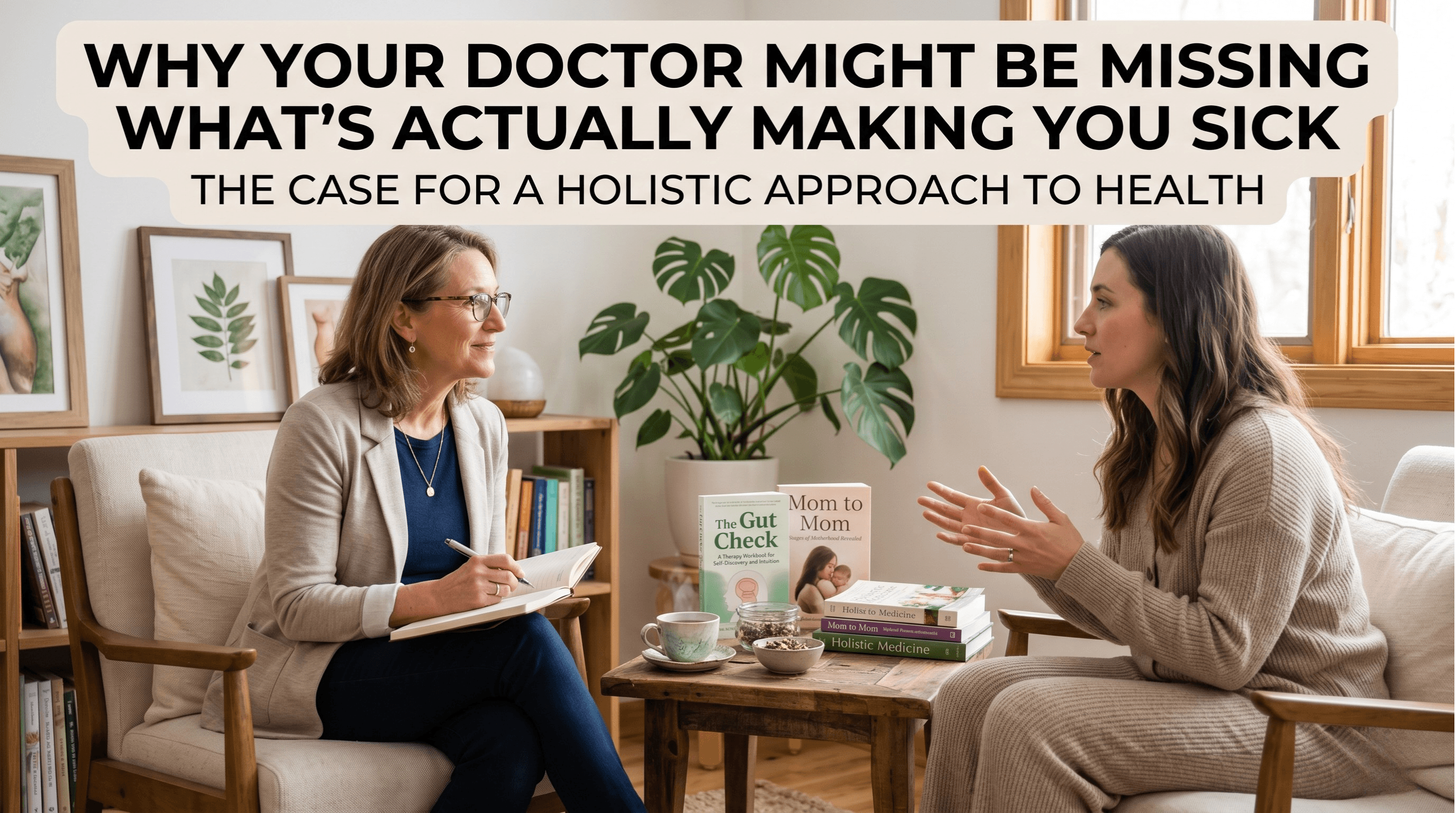
Quick Answer: A holistic approach to health treats the entire person-body, mind, emotions, and daily habits-rather than suppressing isolated symptoms. Instead of asking "What disease do you have?", practitioners ask "What's gone out of balance in your life?" This fundamental shift often reveals the true root cause of illness, leading to lasting healing that conventional medicine alone might miss.
The Problem with Treating Symptoms, Not People
Here's what happens in most medical offices: You walk in with persistent fatigue. The doctor orders bloodwork. Numbers come back "normal." Exhausted and confused, you're sent home with reassurance that nothing's wrong-even though you can barely get through your day.
This happens thousands of times daily. And it's not your doctor's fault. It's because conventional medicine excels at treating acute crises but struggles with chronic conditions rooted in how you live, eat, think, and move.
A holistic approach to health flips this script. Instead of treating you like a collection of malfunctioning parts, practitioners examine your entire life system.
What Actually Sets Holistic Medicine Apart
When you seek a holistic approach to health, the first appointment looks radically different. Rather than a 15-minute symptom checklist, you'll spend 60-90 minutes discussing your history: childhood stress, your current work environment, how you sleep, what you eat for breakfast, how often you move your body, your deepest anxieties.
This isn't philosophy-it's strategy. Here's why it matters: your fatigue might stem from unprocessed stress (something psychotherapy addresses), poor sleep hygiene, inflammatory foods triggering an autoimmune response, or depleted nutrient stores that bloodwork misses at the functional level. A truly holistic approach identifies which of these is driving your experience.
At the Center for Natural Medicine, this multidisciplinary integration works because practitioners communicate. Your naturopathic doctor coordinates with your psychotherapist. Your acupuncturist and nutritional counselor align on your healing timeline. Everyone has the same goal: restore balance across your entire system.

The Four Pillars: Why Mind, Body, Spirit, and Habits All Matter
A holistic approach to health rests on four inseparable foundations.
The Body's Wisdom. Traditional Chinese medicine teaches that the body speaks through symptoms-not as punishment, but as information. Chronic inflammation doesn't appear randomly; it reflects years of lifestyle patterns or unhealed trauma. Herbal medicine, acupuncture, and functional medicine support the body's innate healing mechanisms rather than override them.
Emotional Roots. Here's what most people discover: physical symptoms often have emotional origins. Your digestive problems might reflect anxiety you've been ignoring. Your migraine pattern might follow your work stress cycle. That's not "it's all in your head"-it's literally the mind-body connection at work. Licensed psychotherapy becomes not an optional add-on but a core healing modality.
Energy and Intention. Whether through Reiki, meditation, or hypnosis, a holistic approach to health recognizes that your thoughts, beliefs, and energetic state directly influence your physiology. You can't willpower your way to health-but you can rewire the deeper patterns that undermine it.
Daily Habits as Medicine. This is the secret most people overlook: what you do every day matters more than what you do occasionally. Sleep quality, food choices, movement patterns, and how you manage stress aren't details-they're the foundation. Health coaching with functional medicine principles helps translate this knowledge into sustainable practices.
Moving Beyond Symptoms: The Role of Intuition and Self-Awareness
One of the most overlooked components of holistic healing is your own intuitive wisdom. You know your body better than anyone-the subtle shifts, the patterns, the whispers before the crisis. A true holistic approach to health teaches you to listen to this inner guidance instead of dismissing it.
This is where self-reflection tools become invaluable. The Gut Check combines psycho-education with actionable prompts designed specifically for this work. Rather than generic self-help, it's a hands-on therapy workbook that merges psychological approaches with spiritual insight to help you identify and nurture your intuitive nature. When you're working with a psychotherapist or functional medicine coach, having this resource at home means you're actively participating in your own healing between appointments.
The practical truth is this: a holistic approach to health requires you to become an active partner in your care. Your practitioner can guide the way, but you're the one implementing change daily.
The Motherhood Connection to Wellness
If you're navigating motherhood while managing your own health challenges, this complexity deepens. Women often put everyone else's wellness first, depleting their own reserves in the process. The stress of caregiving, the emotional labour, the constant decision-making-it all impacts your physiology.
Mom to Mom: Stages of Motherhood Revealed approaches this reality with honest conversations. By combining personal experiences with professional expertise, it dismantles the myth of what mothers "should" feel and creates space for the truth: motherhood shapes your health journey in profound ways. When you're dealing with hormonal shifts, digestive issues, or chronic fatigue while managing a family, understanding how these stages interconnect matters. A holistic approach to health recognizes that your role as a mother is inseparable from your role as a healer of your own body.
The Patience Principle Most People Miss
Here's an opinionated truth: healing through a holistic approach takes longer initially because it's working deeper. You're not suppressing symptoms; you're resolving root causes. That's real-and it's slower than a quick fix.
But here's what happens after 8-12 weeks of true holistic treatment: you don't just feel better. You transform. Energy returns. Digestion normalizes. Anxiety loosens. Sleep deepens. And crucially, symptoms often don't come roaring back because you've healed, not just masked.
Your Next Step: Integration at Every Level
A holistic approach to health isn't alternative medicine. It's complete medicine-combining the best of conventional diagnostics with the depth of natural healing, the science of nutrition, and the power of addressing your whole self.
Start where you are. If you're drawn to psychotherapy and self-discovery, begin with The Gut Check-a practical workbook that meets you where you are and guides you toward deeper self-awareness. If you're a mother navigating both family responsibilities and health challenges, Mom to Mom: Stages of Motherhood Revealed offers permission and clarity. Or schedule a consultation with our practitioners to develop a comprehensive, multidisciplinary healing plan.
The holistic approach to health isn't one thing. It's the integration of everything working together-professional guidance, personal reflection, lifestyle changes, and the tools that support your journey.
Frequently Asked Questions
Q: What's the difference between holistic and conventional medicine?
A: Conventional medicine treats identified diseases and acute symptoms excellently. Holistic medicine asks why the imbalance occurred in the first place, addressing root causes across lifestyle, emotion, and physiology simultaneously.
Q: How do I know if I'm using my intuition or just ignoring warning signs?
A: This is exactly what tools like The Gut Check help you discern. Through psychoeducation and reflection prompts, you develop the awareness to distinguish between true intuitive guidance and patterns rooted in avoidance. Working with a psychotherapist alongside these exercises accelerates this clarity.
Q: Does motherhood complicate a holistic approach to health?
A: Not if approached honestly. Mom to Mom: Stages of Motherhood Revealed specifically addresses how motherhood intersects with personal wellness. The book acknowledges that different life stages create different health challenges-and that's entirely normal.
Q: Can I use a holistic approach alongside my current doctor?
A: Absolutely. In fact, that's ideal. Many people work with both their primary care physician and holistic practitioners-they complement each other.
Q: How long before a holistic approach works?
A: You typically notice shifts within 2-4 weeks (better sleep, reduced brain fog), but deeper healing takes 8-12 weeks. Chronic conditions that developed over years need time to truly resolve.
Q: Is a holistic approach expensive?
A: Initial appointments are longer (60-90 minutes), so yes, the time investment is greater. However, many people find that addressing root causes prevents years of expensive treatments and medications. Self-reflection tools like our recommended books extend your healing work affordably.
Quick Answer: A holistic approach to health treats the entire person-body, mind, emotions, and daily habits-rather than suppressing isolated symptoms. Instead of asking "What disease do you have?", practitioners ask "What's gone out of balance in your life?" This fundamental shift often reveals the true root cause of illness, leading to lasting healing that conventional medicine alone might miss.
The Problem with Treating Symptoms, Not People
Here's what happens in most medical offices: You walk in with persistent fatigue. The doctor orders bloodwork. Numbers come back "normal." Exhausted and confused, you're sent home with reassurance that nothing's wrong-even though you can barely get through your day.
This happens thousands of times daily. And it's not your doctor's fault. It's because conventional medicine excels at treating acute crises but struggles with chronic conditions rooted in how you live, eat, think, and move.
A holistic approach to health flips this script. Instead of treating you like a collection of malfunctioning parts, practitioners examine your entire life system.
What Actually Sets Holistic Medicine Apart
When you seek a holistic approach to health, the first appointment looks radically different. Rather than a 15-minute symptom checklist, you'll spend 60-90 minutes discussing your history: childhood stress, your current work environment, how you sleep, what you eat for breakfast, how often you move your body, your deepest anxieties.
This isn't philosophy-it's strategy. Here's why it matters: your fatigue might stem from unprocessed stress (something psychotherapy addresses), poor sleep hygiene, inflammatory foods triggering an autoimmune response, or depleted nutrient stores that bloodwork misses at the functional level. A truly holistic approach identifies which of these is driving your experience.
At the Center for Natural Medicine, this multidisciplinary integration works because practitioners communicate. Your naturopathic doctor coordinates with your psychotherapist. Your acupuncturist and nutritional counselor align on your healing timeline. Everyone has the same goal: restore balance across your entire system.
The Four Pillars: Why Mind, Body, Spirit, and Habits All Matter
A holistic approach to health rests on four inseparable foundations.
The Body's Wisdom. Traditional Chinese medicine teaches that the body speaks through symptoms-not as punishment, but as information. Chronic inflammation doesn't appear randomly; it reflects years of lifestyle patterns or unhealed trauma. Herbal medicine, acupuncture, and functional medicine support the body's innate healing mechanisms rather than override them.
Emotional Roots. Here's what most people discover: physical symptoms often have emotional origins. Your digestive problems might reflect anxiety you've been ignoring. Your migraine pattern might follow your work stress cycle. That's not "it's all in your head"-it's literally the mind-body connection at work. Licensed psychotherapy becomes not an optional add-on but a core healing modality.
Energy and Intention. Whether through Reiki, meditation, or hypnosis, a holistic approach to health recognizes that your thoughts, beliefs, and energetic state directly influence your physiology. You can't willpower your way to health-but you can rewire the deeper patterns that undermine it.
Daily Habits as Medicine. This is the secret most people overlook: what you do every day matters more than what you do occasionally. Sleep quality, food choices, movement patterns, and how you manage stress aren't details-they're the foundation. Health coaching with functional medicine principles helps translate this knowledge into sustainable practices.
Moving Beyond Symptoms: The Role of Intuition and Self-Awareness
One of the most overlooked components of holistic healing is your own intuitive wisdom. You know your body better than anyone-the subtle shifts, the patterns, the whispers before the crisis. A true holistic approach to health teaches you to listen to this inner guidance instead of dismissing it.
This is where self-reflection tools become invaluable. The Gut Check combines psycho-education with actionable prompts designed specifically for this work. Rather than generic self-help, it's a hands-on therapy workbook that merges psychological approaches with spiritual insight to help you identify and nurture your intuitive nature. When you're working with a psychotherapist or functional medicine coach, having this resource at home means you're actively participating in your own healing between appointments.
The practical truth is this: a holistic approach to health requires you to become an active partner in your care. Your practitioner can guide the way, but you're the one implementing change daily.
The Motherhood Connection to Wellness
If you're navigating motherhood while managing your own health challenges, this complexity deepens. Women often put everyone else's wellness first, depleting their own reserves in the process. The stress of caregiving, the emotional labour, the constant decision-making-it all impacts your physiology.
Mom to Mom: Stages of Motherhood Revealed approaches this reality with honest conversations. By combining personal experiences with professional expertise, it dismantles the myth of what mothers "should" feel and creates space for the truth: motherhood shapes your health journey in profound ways. When you're dealing with hormonal shifts, digestive issues, or chronic fatigue while managing a family, understanding how these stages interconnect matters. A holistic approach to health recognizes that your role as a mother is inseparable from your role as a healer of your own body.
The Patience Principle Most People Miss
Here's an opinionated truth: healing through a holistic approach takes longer initially because it's working deeper. You're not suppressing symptoms; you're resolving root causes. That's real-and it's slower than a quick fix.
But here's what happens after 8-12 weeks of true holistic treatment: you don't just feel better. You transform. Energy returns. Digestion normalizes. Anxiety loosens. Sleep deepens. And crucially, symptoms often don't come roaring back because you've healed, not just masked.
Your Next Step: Integration at Every Level
A holistic approach to health isn't alternative medicine. It's complete medicine-combining the best of conventional diagnostics with the depth of natural healing, the science of nutrition, and the power of addressing your whole self.
Start where you are. If you're drawn to psychotherapy and self-discovery, begin with The Gut Check-a practical workbook that meets you where you are and guides you toward deeper self-awareness. If you're a mother navigating both family responsibilities and health challenges, Mom to Mom: Stages of Motherhood Revealed offers permission and clarity. Or schedule a consultation with our practitioners to develop a comprehensive, multidisciplinary healing plan.
The holistic approach to health isn't one thing. It's the integration of everything working together-professional guidance, personal reflection, lifestyle changes, and the tools that support your journey.
Frequently Asked Questions
Q: What's the difference between holistic and conventional medicine?
A: Conventional medicine treats identified diseases and acute symptoms excellently. Holistic medicine asks why the imbalance occurred in the first place, addressing root causes across lifestyle, emotion, and physiology simultaneously.
Q: How do I know if I'm using my intuition or just ignoring warning signs?
A: This is exactly what tools like The Gut Check help you discern. Through psychoeducation and reflection prompts, you develop the awareness to distinguish between true intuitive guidance and patterns rooted in avoidance. Working with a psychotherapist alongside these exercises accelerates this clarity.
Q: Does motherhood complicate a holistic approach to health?
A: Not if approached honestly. Mom to Mom: Stages of Motherhood Revealed specifically addresses how motherhood intersects with personal wellness. The book acknowledges that different life stages create different health challenges-and that's entirely normal.
Q: Can I use a holistic approach alongside my current doctor?
A: Absolutely. In fact, that's ideal. Many people work with both their primary care physician and holistic practitioners-they complement each other.
Q: How long before a holistic approach works?
A: You typically notice shifts within 2-4 weeks (better sleep, reduced brain fog), but deeper healing takes 8-12 weeks. Chronic conditions that developed over years need time to truly resolve.
Q: Is a holistic approach expensive?
A: Initial appointments are longer (60-90 minutes), so yes, the time investment is greater. However, many people find that addressing root causes prevents years of expensive treatments and medications. Self-reflection tools like our recommended books extend your healing work affordably.
Latest Blogs

What Is Colonic Hydrotherapy? Procedure, Benefits, and Safety
Oct 17, 2026

What Conventional Medicine Gets Right and Functional Medicine Gets Right: A Fair Comparison
Oct 17, 2026

What Is a Holistic Health Practitioner? Roles, Benefits, and What to Expect
Oct 12, 2026

What Is Outpatient Mental Health Therapy? A Clear, Honest Breakdown
Aug 31, 2026

The 90-Day Wall: Why Most Wellness Plans Collapse by Month Three
Aug 6, 2026

Why More People Are Turning to a Functional Medicine Health Coach for Root-Cause Healing
Jul 14, 2026
Connect with us to begin your healing journey today.
Experience holistic healing that restores balance and vitality.

Connect with us to begin
your healing journey today.
Experience holistic healing that restores balance and vitality.
Connect with us to begin
your healing journey today.
Experience holistic healing that restores balance and vitality.
Connect with us to begin
your healing journey today.
Experience holistic healing that restores balance and vitality.
Latest New & Blogs
Related Blog Post
Related Blog Post
Newsletter Signup
Newsletter Signup
Newsletter Signup
Newsletter Signup
Get wellness tips, health insights, and exclusive updates in your inbox.
Get wellness tips, health insights, and exclusive updates in your inbox.
Get wellness tips, health insights, and exclusive updates in your inbox.
Get wellness tips, health insights, and exclusive updates in your inbox.