Table of Content
Title
Connect with
us to begin your healing journey today.
Experience holistic healing that restores balance and vitality.
Tai Chi Healing: Restoring Balance in Body and Mind
Tai Chi Healing: Restoring Balance in Body and Mind
Tai Chi Healing: Restoring Balance in Body and Mind
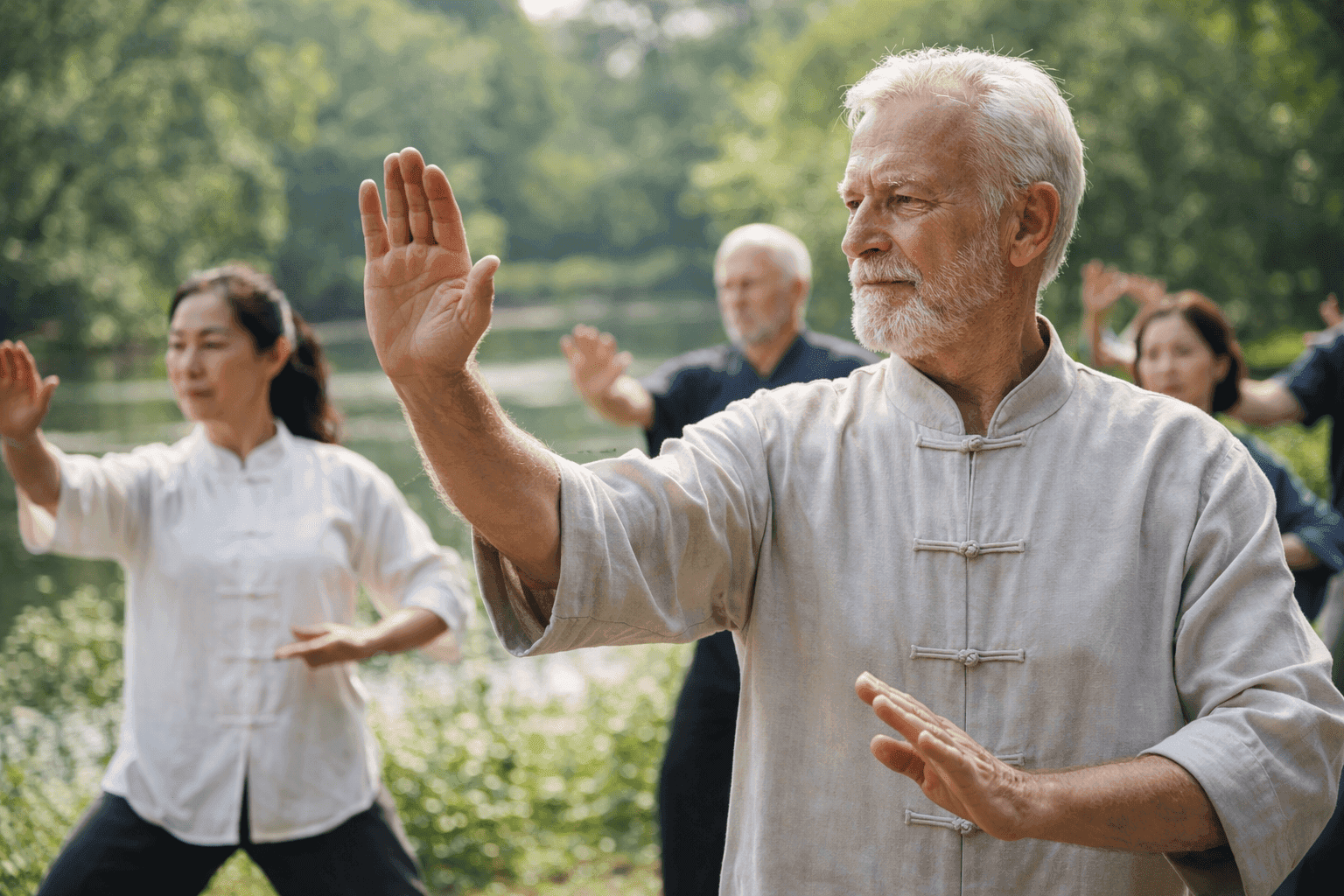
In a world that constantly asks us to move faster, think harder, and accomplish more, many people live in a state of quiet overwhelm. Our muscles tighten, breathing becomes shallow, and thoughts race even during moments that should feel restful. Over time, this constant activation does not just create stress. It disrupts the body's natural rhythm of recovery and balance. This is where Tai Chi healing offers a gentle yet powerful path back to stability.
Tai Chi is an ancient Chinese practice that blends slow flowing movements with deep breathing and mindful awareness. Originally developed as a martial art, it has evolved into a widely respected wellness practice that supports both physical health and emotional well being. Through deliberate motion and calm focus, practitioners begin to experience what many describe as a renewed sense of internal harmony.
Unlike many modern fitness routines that emphasize intensity or speed, Tai Chi encourages slowing down. Movements are continuous, coordinated with breath, and guided by awareness of posture and alignment. This combination allows the body to release tension while strengthening muscles and improving balance. Over time, practitioners develop greater stability, flexibility, and confidence in their physical movement.
Beyond Physical Balance
When most people first encounter Tai Chi, they notice the graceful and controlled movements. But the benefits extend far deeper than physical coordination. Research consistently shows that Tai Chi can improve both static and dynamic balance, helping reduce the risk of falls particularly in older adults.
Beyond balance, Tai Chi also supports joint health and muscular control. The slow transitions between movements strengthen stabilizing muscles while maintaining gentle pressure on the joints. This makes it an excellent option for individuals recovering from injury or managing chronic conditions.
Scientific studies have also explored Tai Chi for mental health and wellness, revealing improvements in mood regulation, attention, and cognitive flexibility. The practice combines breath awareness with mindful motion, which helps calm the nervous system and reduce the mental clutter that builds throughout the day.
Individuals living with conditions such as arthritis, fibromyalgia, hypertension, and heart disease have reported improvements in their quality of life when incorporating Tai Chi into their routine. Even respiratory conditions may benefit, as the breathing patterns used in Tai Chi encourage deeper lung expansion and better oxygen exchange.
A Gentle Recalibration
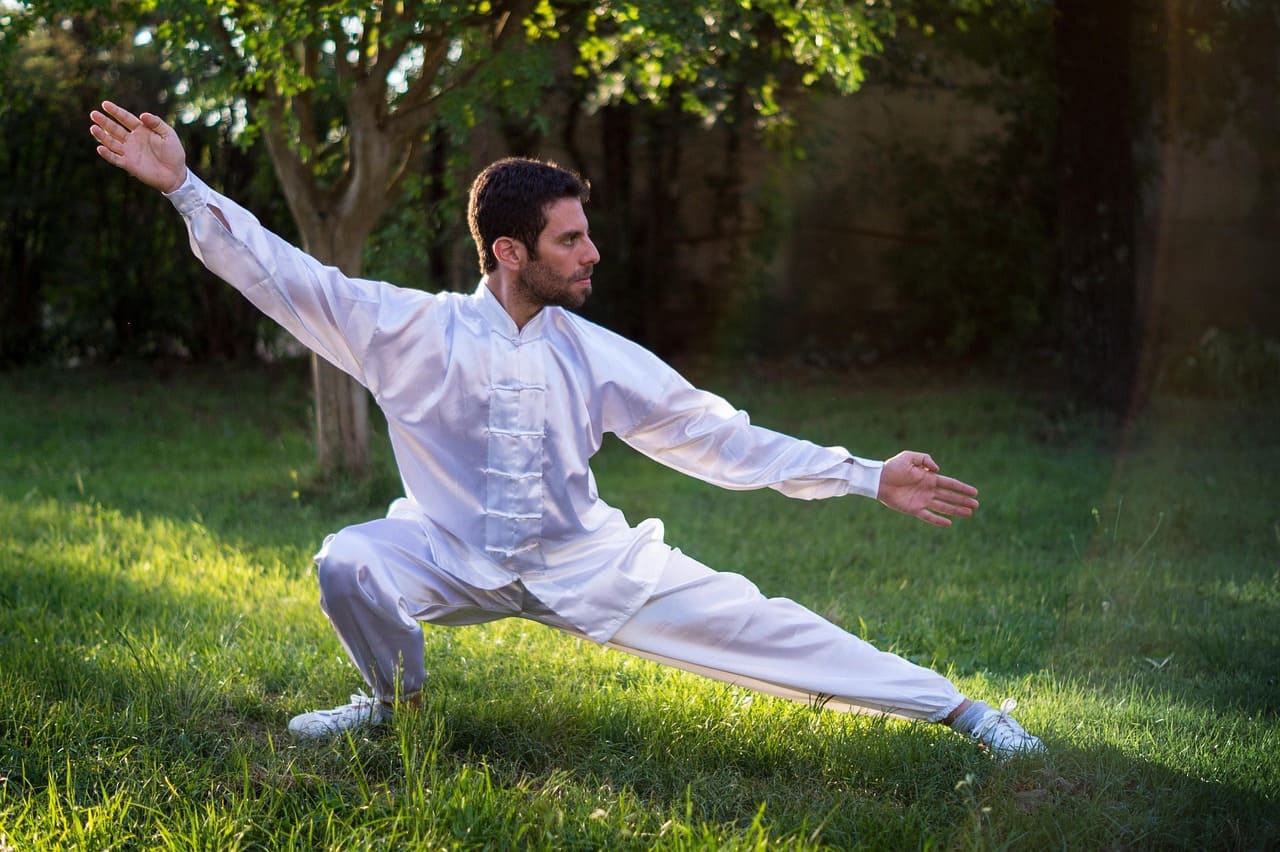
One of the most powerful aspects of Tai Chi is its ability to create space for the body to reorganize itself. The slow continuous patterns allow tension held in the muscles and connective tissue to gradually release. As the body begins to relax, movement becomes more fluid and efficient.
Practitioners often notice that posture begins to improve naturally. The spine lengthens, shoulders soften, and breathing deepens. This realignment encourages better circulation and smoother coordination between muscles and joints. Over time, this contributes to improved Tai Chi mind and body balance, allowing individuals to move through daily life with greater ease.
Mental clarity also improves with consistent practice. Studies show that the mindful attention required during Tai Chi can enhance cognitive performance including memory, attention span, and information processing speed. This is one reason the practice is increasingly recommended as a supportive activity for healthy aging.For many people, Tai Chi also provides a natural form of emotional regulation. Slow rhythmic movement activates the parasympathetic nervous system, the branch responsible for relaxation and recovery. As the body shifts into this restorative state, tension fades and emotional resilience grows.
Tai Chi Healing for Stress Relief
Stress is often described as a mental experience, but it also lives in the body. Tight shoulders, shallow breathing, fatigue, and headaches are common signs of prolonged stress. Tai Chi addresses these patterns by bringing awareness back to the body through intentional movement.
Practicing Tai Chi for stress and anxiety allows individuals to reconnect with their breath and physical sensations. As attention shifts away from racing thoughts and toward slow movement, the nervous system begins to settle. Muscles soften, heart rate slows, and the body gradually moves out of fight or flight mode.
Unlike high intensity workouts that can sometimes increase physical strain, Tai Chi provides a calming alternative that still encourages movement. The gentle flow of each sequence allows the body to release stored tension while maintaining strength and flexibility.
Many practitioners describe the experience as a moving meditation. With each step and breath, the mind becomes quieter and more present. Over time, this consistent practice can support healthier responses to everyday stressors.
Healing Is a Process of Integration
True healing involves more than simply removing symptoms. It is about restoring harmony between the body, mind, and emotional experience. Tai Chi supports this process by encouraging awareness and integration across these different aspects of health.
During practice, movements unfold slowly enough for individuals to feel subtle changes in posture, breathing, and muscle engagement. This heightened awareness strengthens the connection between brain and body, creating smoother coordination and more efficient movement patterns.
Research has shown that practices combining mindfulness and gentle exercise may improve sleep quality, reduce chronic tension, and enhance overall well being. These benefits help explain why Tai Chi is increasingly recommended within integrative health programs.
As people continue practicing, they often discover that Tai Chi mind and body balance extends beyond the class itself. Everyday activities such as walking, sitting, and even breathing become more relaxed and intentional. This shift allows the body to function with less strain while maintaining energy throughout the day.
A Grounded Path Toward Wellness
Tai Chi is widely recognized as one of the most accessible forms of movement therapy. It requires no special equipment and can be adapted to suit people of different ages and physical abilities. Beginners often start with simple forms that emphasize gentle motion and breath awareness.
The practice is also valued for its role in supporting emotional health. Studies exploring Tai Chi for mental health and wellness suggest that regular participation may reduce symptoms of depression while improving overall mood and resilience. These benefits are especially important in a world where stress levels continue to rise.
Many individuals also turn to Tai Chi for stress and anxiety because of its calming and restorative nature. Even short daily sessions can help regulate the nervous system and improve emotional balance. Over time, this creates a stronger foundation for physical health and mental clarity.
Consistency is more important than intensity. Practicing for ten to twenty minutes each day can produce noticeable improvements in balance, flexibility, and emotional well being. The gentle nature of the movements makes it possible to maintain this routine without placing strain on the body.
An Invitation to Practice
We are honored to offer Tai Chi healing sessions at the Center for Natural Medicine through our dedicated practitioner. Classes are designed to support individuals seeking balance, relaxation, and a deeper connection between body and mind.
Sessions are available in both individual and group formats. Each class introduces foundational movements while guiding participants through breathing techniques that support relaxation and focus.
Current schedule:
Monday at 2:00 PM - Afternoon Reset
A mid-day opportunity to recalibrate your body and mind, release tension, and step away from the rush of daily life through slow intentional movement.
Wednesday at 7:00 PM - Evening Relaxation
A gentle session designed to ease physical tension, calm the mind, and prepare the body for restful sleep.
Classes are $20 and space is limited. Please call to reserve your spot.
Whether you are seeking improved balance, cardiovascular support, or a sustainable form of mindful movement, Tai Chi provides a grounded and accessible approach. Through patience, breath, and consistent practice, Tai Chi healing helps restore the natural harmony that allows the body and mind to function at their best.
References:
National Institutes of Health. (2016, December). Tai chi and your health. NIH News in Health. https://newsinhealth.nih.gov/2016/12/tai-chi-your-health
Wayne, P. M., & Kaptchuk, T. J. (2016). Health benefits of tai chi: What is the evidence? Canadian Family Physician, 62(11), 881–890. https://pubmed.ncbi.nlm.nih.gov/28661865/
Zhang, X., et al. (2025). Effects of Tai Chi on executive function, single-leg dynamic balance, and brain functional connectivity in older adults. Scientific Reports, 15. https://doi.org/10.1038/s41598-025-93321-w
FAQ’s:
Is Tai Chi safe for beginners or people with health conditions?
Yes. Tai Chi is generally safe and adaptable. Movements can be modified for those with joint pain, limited mobility, or chronic conditions. It is commonly recommended for older adults and individuals recovering from injury. As with any exercise program, patients with significant medical concerns should consult our healthcare providers.
How often should I practice Tai Chi to see benefits?
Even 10–20 minutes per day can be beneficial. Many people notice improvements in balance and stress levels within a few weeks. Consistency is more important than intensity — regular, gentle practice supports long-term nervous system regulation and musculoskeletal health.
In a world that constantly asks us to move faster, think harder, and accomplish more, many people live in a state of quiet overwhelm. Our muscles tighten, breathing becomes shallow, and thoughts race even during moments that should feel restful. Over time, this constant activation does not just create stress. It disrupts the body's natural rhythm of recovery and balance. This is where Tai Chi healing offers a gentle yet powerful path back to stability.
Tai Chi is an ancient Chinese practice that blends slow flowing movements with deep breathing and mindful awareness. Originally developed as a martial art, it has evolved into a widely respected wellness practice that supports both physical health and emotional well being. Through deliberate motion and calm focus, practitioners begin to experience what many describe as a renewed sense of internal harmony.
Unlike many modern fitness routines that emphasize intensity or speed, Tai Chi encourages slowing down. Movements are continuous, coordinated with breath, and guided by awareness of posture and alignment. This combination allows the body to release tension while strengthening muscles and improving balance. Over time, practitioners develop greater stability, flexibility, and confidence in their physical movement.
Beyond Physical Balance
When most people first encounter Tai Chi, they notice the graceful and controlled movements. But the benefits extend far deeper than physical coordination. Research consistently shows that Tai Chi can improve both static and dynamic balance, helping reduce the risk of falls particularly in older adults.
Beyond balance, Tai Chi also supports joint health and muscular control. The slow transitions between movements strengthen stabilizing muscles while maintaining gentle pressure on the joints. This makes it an excellent option for individuals recovering from injury or managing chronic conditions.
Scientific studies have also explored Tai Chi for mental health and wellness, revealing improvements in mood regulation, attention, and cognitive flexibility. The practice combines breath awareness with mindful motion, which helps calm the nervous system and reduce the mental clutter that builds throughout the day.
Individuals living with conditions such as arthritis, fibromyalgia, hypertension, and heart disease have reported improvements in their quality of life when incorporating Tai Chi into their routine. Even respiratory conditions may benefit, as the breathing patterns used in Tai Chi encourage deeper lung expansion and better oxygen exchange.
A Gentle Recalibration
One of the most powerful aspects of Tai Chi is its ability to create space for the body to reorganize itself. The slow continuous patterns allow tension held in the muscles and connective tissue to gradually release. As the body begins to relax, movement becomes more fluid and efficient.
Practitioners often notice that posture begins to improve naturally. The spine lengthens, shoulders soften, and breathing deepens. This realignment encourages better circulation and smoother coordination between muscles and joints. Over time, this contributes to improved Tai Chi mind and body balance, allowing individuals to move through daily life with greater ease.
Mental clarity also improves with consistent practice. Studies show that the mindful attention required during Tai Chi can enhance cognitive performance including memory, attention span, and information processing speed. This is one reason the practice is increasingly recommended as a supportive activity for healthy aging.For many people, Tai Chi also provides a natural form of emotional regulation. Slow rhythmic movement activates the parasympathetic nervous system, the branch responsible for relaxation and recovery. As the body shifts into this restorative state, tension fades and emotional resilience grows.
Tai Chi Healing for Stress Relief
Stress is often described as a mental experience, but it also lives in the body. Tight shoulders, shallow breathing, fatigue, and headaches are common signs of prolonged stress. Tai Chi addresses these patterns by bringing awareness back to the body through intentional movement.
Practicing Tai Chi for stress and anxiety allows individuals to reconnect with their breath and physical sensations. As attention shifts away from racing thoughts and toward slow movement, the nervous system begins to settle. Muscles soften, heart rate slows, and the body gradually moves out of fight or flight mode.
Unlike high intensity workouts that can sometimes increase physical strain, Tai Chi provides a calming alternative that still encourages movement. The gentle flow of each sequence allows the body to release stored tension while maintaining strength and flexibility.
Many practitioners describe the experience as a moving meditation. With each step and breath, the mind becomes quieter and more present. Over time, this consistent practice can support healthier responses to everyday stressors.
Healing Is a Process of Integration
True healing involves more than simply removing symptoms. It is about restoring harmony between the body, mind, and emotional experience. Tai Chi supports this process by encouraging awareness and integration across these different aspects of health.
During practice, movements unfold slowly enough for individuals to feel subtle changes in posture, breathing, and muscle engagement. This heightened awareness strengthens the connection between brain and body, creating smoother coordination and more efficient movement patterns.
Research has shown that practices combining mindfulness and gentle exercise may improve sleep quality, reduce chronic tension, and enhance overall well being. These benefits help explain why Tai Chi is increasingly recommended within integrative health programs.
As people continue practicing, they often discover that Tai Chi mind and body balance extends beyond the class itself. Everyday activities such as walking, sitting, and even breathing become more relaxed and intentional. This shift allows the body to function with less strain while maintaining energy throughout the day.
A Grounded Path Toward Wellness
Tai Chi is widely recognized as one of the most accessible forms of movement therapy. It requires no special equipment and can be adapted to suit people of different ages and physical abilities. Beginners often start with simple forms that emphasize gentle motion and breath awareness.
The practice is also valued for its role in supporting emotional health. Studies exploring Tai Chi for mental health and wellness suggest that regular participation may reduce symptoms of depression while improving overall mood and resilience. These benefits are especially important in a world where stress levels continue to rise.
Many individuals also turn to Tai Chi for stress and anxiety because of its calming and restorative nature. Even short daily sessions can help regulate the nervous system and improve emotional balance. Over time, this creates a stronger foundation for physical health and mental clarity.
Consistency is more important than intensity. Practicing for ten to twenty minutes each day can produce noticeable improvements in balance, flexibility, and emotional well being. The gentle nature of the movements makes it possible to maintain this routine without placing strain on the body.
An Invitation to Practice
We are honored to offer Tai Chi healing sessions at the Center for Natural Medicine through our dedicated practitioner. Classes are designed to support individuals seeking balance, relaxation, and a deeper connection between body and mind.
Sessions are available in both individual and group formats. Each class introduces foundational movements while guiding participants through breathing techniques that support relaxation and focus.
Current schedule:
Monday at 2:00 PM - Afternoon Reset
A mid-day opportunity to recalibrate your body and mind, release tension, and step away from the rush of daily life through slow intentional movement.
Wednesday at 7:00 PM - Evening Relaxation
A gentle session designed to ease physical tension, calm the mind, and prepare the body for restful sleep.
Classes are $20 and space is limited. Please call to reserve your spot.
Whether you are seeking improved balance, cardiovascular support, or a sustainable form of mindful movement, Tai Chi provides a grounded and accessible approach. Through patience, breath, and consistent practice, Tai Chi healing helps restore the natural harmony that allows the body and mind to function at their best.
References:
National Institutes of Health. (2016, December). Tai chi and your health. NIH News in Health. https://newsinhealth.nih.gov/2016/12/tai-chi-your-health
Wayne, P. M., & Kaptchuk, T. J. (2016). Health benefits of tai chi: What is the evidence? Canadian Family Physician, 62(11), 881–890. https://pubmed.ncbi.nlm.nih.gov/28661865/
Zhang, X., et al. (2025). Effects of Tai Chi on executive function, single-leg dynamic balance, and brain functional connectivity in older adults. Scientific Reports, 15. https://doi.org/10.1038/s41598-025-93321-w
FAQ’s:
Is Tai Chi safe for beginners or people with health conditions?
Yes. Tai Chi is generally safe and adaptable. Movements can be modified for those with joint pain, limited mobility, or chronic conditions. It is commonly recommended for older adults and individuals recovering from injury. As with any exercise program, patients with significant medical concerns should consult our healthcare providers.
How often should I practice Tai Chi to see benefits?
Even 10–20 minutes per day can be beneficial. Many people notice improvements in balance and stress levels within a few weeks. Consistency is more important than intensity — regular, gentle practice supports long-term nervous system regulation and musculoskeletal health.
Latest Blogs

What Is Outpatient Mental Health Therapy? A Clear, Honest Breakdown
Aug 31, 2026

Living with Autoimmune Disease: How a Functional Medicine Health Coach Can Help
Aug 18, 2026

The 90-Day Wall: Why Most Wellness Plans Collapse by Month Three
Aug 6, 2026

What Does a Functional Medicine Health Coach Actually Do?
Jul 30, 2026

Why More People Are Turning to a Functional Medicine Health Coach for Root-Cause Healing
Jul 14, 2026

Navigating the Healthcare System: Finding the Right Approach
Jun 27, 2026
Connect with us to begin your healing journey today.
Experience holistic healing that restores balance and vitality.

Connect with us to begin
your healing journey today.
Experience holistic healing that restores balance and vitality.
Connect with us to begin
your healing journey today.
Experience holistic healing that restores balance and vitality.
Connect with us to begin
your healing journey today.
Experience holistic healing that restores balance and vitality.
Latest New & Blogs
Related Blog Post
Related Blog Post
Newsletter Signup
Newsletter Signup
Newsletter Signup
Newsletter Signup
Get wellness tips, health insights, and exclusive updates in your inbox.
Get wellness tips, health insights, and exclusive updates in your inbox.
Get wellness tips, health insights, and exclusive updates in your inbox.
Get wellness tips, health insights, and exclusive updates in your inbox.