Table of Content
Title

Connect with
us to begin your healing journey today.
Experience holistic healing that restores balance and vitality.
How Do I Reduce Inflammation Naturally?
How Do I Reduce Inflammation Naturally?
How Do I Reduce Inflammation Naturally?
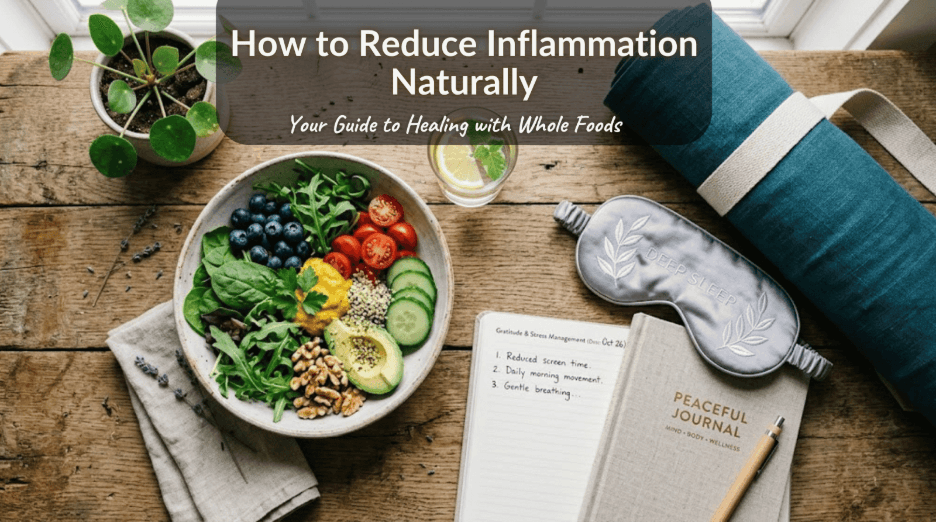
Quick Answer: - You can support healthy inflammation naturally by focusing on the basics: eat a nutrient-dense diet rich in whole, minimally processed foods, stay physically active, get adequate sleep, manage ongoing stress, and avoid inflammatory exposures such as smoking and excessive alcohol. The goal is not to eliminate inflammation, which is a normal and necessary body response, but to support your body's ability to regulate and resolve it appropriately.
Inflammation has become a popular topic in health and wellness, and for good reasons. Chronic, low-grade inflammation is associated with a few chronic diseases, including cardiovascular disease, type 2 diabetes, and metabolic syndrome. But inflammation itself is not the enemy. It is an important part of the body's natural defense and repair processes.
The real question is not, “How do I get rid of inflammation?” but rather, “How can I support my body's ability to regulate and resolve inflammation appropriately?” Understanding that distinction can change the way we think about inflammation and how we approach our health.
What Is Inflammation?
Inflammation is part of the body's natural defense and repair system. When the body detects an injury, infection, or other threat, it activates a coordinated response designed to address the problem and begin the healing process. You may recognize the familiar signs of acute inflammation: redness, warmth, swelling, and pain. These changes can be part of the body's normal response to injury or infection.
Acute inflammation is generally temporary. Once the threat has been addressed, the inflammatory response should begin to resolve, and the body can return toward normal function.
Importantly, resolution is not simply the absence of inflammation. It is an active biological process involving coordinated changes in inflammatory signals and immune cells that help restore tissue integrity and function.
When Inflammation Doesn't Switch Off
Problems can arise when inflammatory signaling persists or when the body is repeatedly exposed to factors associated with chronic inflammatory activity. This is sometimes referred to as chronic, low-grade inflammation. Unlike the obvious swelling and redness associated with an acute injury, chronic inflammation can be subtle.
Research has found associations between inflammatory markers and a number of behavioral and lifestyle factors, including diet, physical activity, sleep, smoking, and alcohol consumption. This is why reducing inflammation isn't simply about finding the right supplement or adding a few foods to your diet. It is about looking at the overall conditions that may be contributing to an inflammatory environment.
So, How Can You Reduce Inflammation Naturally?
There is no single food, supplement, or lifestyle practice that eliminates chronic inflammation. Instead, several interconnected aspects of health can influence the body's inflammatory environment.
Focus on the Overall Dietary Pattern
Rather than searching for individual “anti-inflammatory foods,” consider the overall quality of your diet. Dietary patterns emphasizing vegetables, fruits, legumes, whole grains, nuts, seeds, fish, and other minimally processed foods have been associated with healthier inflammatory profiles. Research suggests that looking at the overall dietary pattern may provide a more meaningful picture than focusing on individual foods or nutrients.
Move Regularly
Regular physical activity has been associated with lower levels of several inflammatory markers. Exercise also supports metabolic health, which is closely connected with inflammatory regulation. You don't necessarily need intense exercise to benefit. Consistent movement that is appropriate for your health, fitness level, and physical abilities can be a valuable part of supporting overall health.
Prioritize Sleep
Sleep and inflammation are closely connected. Sleep disruption and inadequate sleep have been associated with changes in inflammatory markers, suggesting that adequate sleep is an important part of maintaining healthy physiological regulation. Rather than viewing sleep as simply another healthy habit to check off a list, think of it as part of the body's ongoing recovery and regulation processes.
Pay Attention to Stress
Psychological and behavioral factors can influence inflammatory activity, and the relationship between stress and inflammation is complex. Chronic stress may also affect sleep, physical activity, eating patterns, and other behaviors that influence overall health. This doesn't mean that every stressful day causes inflammation or that you can simply “think your inflammation away.” Instead, it recognizes that chronic stress is one factor worth considering when looking at the bigger picture of health.
Finding ways to support relaxation and recovery, such as slow breathing, meditation, or other personally meaningful practices, can be part of a broader approach to managing stress.
Reduce Unnecessary Inflammatory Exposures
Some behaviors, including smoking and excessive alcohol consumption, have been associated with inflammatory markers. The goal isn't perfection; it is to identify the factors that are most relevant to your health and make meaningful changes where you can.
Don'tJust Think About Suppressing Inflammation
Perhaps the most important concept to understand is that we are not trying to eliminate inflammation. Your body needs an inflammatory response when you are fighting an infection, repairing damaged tissue, or responding to injury. The problem occurs when the inflammatory response becomes excessive, prolonged, or poorly regulated.
The body has its own mechanisms for bringing inflammation toward resolution. Resolution is an active process involving coordinated changes in inflammatory signaling and immune-cell behavior that help restore tissue integrity and function.
So rather than constantly asking, “What can I take to stop inflammation?”, a more useful question may be: “What can I do to create the physiological conditions that allow my body to regulate and resolve inflammation?” That shift moves the conversation away from chasing symptoms and toward supporting the systems that maintain balance.

When Should You Talk to a Healthcare Professional?
Persistent or unexplained changes in your health should not simply be treated with lifestyle changes or supplements. Ongoing pain, swelling, fever, significant fatigue, unexplained weight changes, digestive symptoms, or other persistent symptoms can have many possible causes and may warrant evaluation by a healthcare professional.
Lifestyle approaches can support overall health and may complement medical care, but they should not be used as a substitute for appropriate diagnosis or treatment when an underlying medical condition is present.
Take a Personalized Approach
There is no universal “anti-inflammatory protocol” because the factors that contribute to inflammation can be very different from one person to another.
At the Center for Natural Medicine, our practitioners take a personalized approach to health and wellness, looking at the individual rather than focusing on a single symptom or isolated health recommendation.
Our team includes two naturopathic doctors, a functional medicine health coach, a colonic hydrotherapist, and a psychotherapist/Reiki practitioner, offering different perspectives and approaches to support your overall health and well-being. Depending on your individual needs, this may include exploring nutrition and lifestyle factors, supporting healthy habits, addressing stress and emotional well-being, or supporting digestive and gut health.
If you're interested in taking a more personalized approach to your health, learn more about our practitioners and the services available at the Center for Natural Medicine.
References
Calle, M. C., & Andersen, C. J. (2019). Assessment of dietary patterns represents a potential, yet variable, measure of inflammatory status: A review and update. Disease Markers, 2019, Article 3102870. https://doi.org/10.1155/2019/3102870
O'Connor, M.-F., & Irwin, M. R. (2010). Links between behavioral factors and inflammation. Clinical Pharmacology & Therapeutics, 87(4), 479–482. https://doi.org/10.1038/clpt.2009.255
Ortega-Gómez, A., Perretti, M., & Soehnlein, O. (2013). Resolution of inflammation: An integrated view. EMBO Molecular Medicine, 5(5), 661–674. https://doi.org/10.1002/emmm.201202382
Frequently Asked Questions
What are the signs of chronic inflammation?
Chronic, low-grade inflammation may not produce obvious or specific symptoms. Symptoms such as fatigue, pain, digestive changes, or changes in weight can have many possible causes, so persistent or unexplained symptoms should be evaluated by a healthcare professional.
Can inflammation be reduced naturally?
Dietary and lifestyle factors can influence inflammatory processes, but there is no single natural remedy that eliminates chronic inflammation. Supporting a nutrient-dense diet, regular physical activity, adequate sleep, and healthy stress management can contribute to overall health and physiological regulation.
What foods help reduce inflammation?
Rather than focusing on individual “anti-inflammatory foods,” consider the overall dietary pattern. A diet emphasizing vegetables, fruits, legumes, whole grains, nuts, seeds, fish, and other minimally processed foods has been associated with healthier inflammatory profiles.
Does stress cause inflammation?
Psychological stress is one factor associated with inflammatory activity, although the relationship is complex. Stress can also influence sleep, physical activity, eating patterns, and other behaviors that affect overall health.
Can exercise reduce inflammation?
Regular physical activity has been associated with healthier inflammatory profiles and supports metabolic health. The appropriate amount and type of exercise depend on your health, fitness level, and physical abilities.
Should I try to eliminate inflammation completely?
No. Inflammation is a normal and necessary part of the immune response. Your body needs to activate inflammation when there is an injury or infection and then resolve that response when the threat has passed. The goal is healthy regulation and resolution, not eliminating inflammation altogether.
Quick Answer: - You can support healthy inflammation naturally by focusing on the basics: eat a nutrient-dense diet rich in whole, minimally processed foods, stay physically active, get adequate sleep, manage ongoing stress, and avoid inflammatory exposures such as smoking and excessive alcohol. The goal is not to eliminate inflammation, which is a normal and necessary body response, but to support your body's ability to regulate and resolve it appropriately.
Inflammation has become a popular topic in health and wellness, and for good reasons. Chronic, low-grade inflammation is associated with a few chronic diseases, including cardiovascular disease, type 2 diabetes, and metabolic syndrome. But inflammation itself is not the enemy. It is an important part of the body's natural defense and repair processes.
The real question is not, “How do I get rid of inflammation?” but rather, “How can I support my body's ability to regulate and resolve inflammation appropriately?” Understanding that distinction can change the way we think about inflammation and how we approach our health.
What Is Inflammation?
Inflammation is part of the body's natural defense and repair system. When the body detects an injury, infection, or other threat, it activates a coordinated response designed to address the problem and begin the healing process. You may recognize the familiar signs of acute inflammation: redness, warmth, swelling, and pain. These changes can be part of the body's normal response to injury or infection.
Acute inflammation is generally temporary. Once the threat has been addressed, the inflammatory response should begin to resolve, and the body can return toward normal function.
Importantly, resolution is not simply the absence of inflammation. It is an active biological process involving coordinated changes in inflammatory signals and immune cells that help restore tissue integrity and function.
When Inflammation Doesn't Switch Off
Problems can arise when inflammatory signaling persists or when the body is repeatedly exposed to factors associated with chronic inflammatory activity. This is sometimes referred to as chronic, low-grade inflammation. Unlike the obvious swelling and redness associated with an acute injury, chronic inflammation can be subtle.
Research has found associations between inflammatory markers and a number of behavioral and lifestyle factors, including diet, physical activity, sleep, smoking, and alcohol consumption. This is why reducing inflammation isn't simply about finding the right supplement or adding a few foods to your diet. It is about looking at the overall conditions that may be contributing to an inflammatory environment.
So, How Can You Reduce Inflammation Naturally?
There is no single food, supplement, or lifestyle practice that eliminates chronic inflammation. Instead, several interconnected aspects of health can influence the body's inflammatory environment.
Focus on the Overall Dietary Pattern
Rather than searching for individual “anti-inflammatory foods,” consider the overall quality of your diet. Dietary patterns emphasizing vegetables, fruits, legumes, whole grains, nuts, seeds, fish, and other minimally processed foods have been associated with healthier inflammatory profiles. Research suggests that looking at the overall dietary pattern may provide a more meaningful picture than focusing on individual foods or nutrients.
Move Regularly
Regular physical activity has been associated with lower levels of several inflammatory markers. Exercise also supports metabolic health, which is closely connected with inflammatory regulation. You don't necessarily need intense exercise to benefit. Consistent movement that is appropriate for your health, fitness level, and physical abilities can be a valuable part of supporting overall health.
Prioritize Sleep
Sleep and inflammation are closely connected. Sleep disruption and inadequate sleep have been associated with changes in inflammatory markers, suggesting that adequate sleep is an important part of maintaining healthy physiological regulation. Rather than viewing sleep as simply another healthy habit to check off a list, think of it as part of the body's ongoing recovery and regulation processes.
Pay Attention to Stress
Psychological and behavioral factors can influence inflammatory activity, and the relationship between stress and inflammation is complex. Chronic stress may also affect sleep, physical activity, eating patterns, and other behaviors that influence overall health. This doesn't mean that every stressful day causes inflammation or that you can simply “think your inflammation away.” Instead, it recognizes that chronic stress is one factor worth considering when looking at the bigger picture of health.
Finding ways to support relaxation and recovery, such as slow breathing, meditation, or other personally meaningful practices, can be part of a broader approach to managing stress.
Reduce Unnecessary Inflammatory Exposures
Some behaviors, including smoking and excessive alcohol consumption, have been associated with inflammatory markers. The goal isn't perfection; it is to identify the factors that are most relevant to your health and make meaningful changes where you can.
Don'tJust Think About Suppressing Inflammation
Perhaps the most important concept to understand is that we are not trying to eliminate inflammation. Your body needs an inflammatory response when you are fighting an infection, repairing damaged tissue, or responding to injury. The problem occurs when the inflammatory response becomes excessive, prolonged, or poorly regulated.
The body has its own mechanisms for bringing inflammation toward resolution. Resolution is an active process involving coordinated changes in inflammatory signaling and immune-cell behavior that help restore tissue integrity and function.
So rather than constantly asking, “What can I take to stop inflammation?”, a more useful question may be: “What can I do to create the physiological conditions that allow my body to regulate and resolve inflammation?” That shift moves the conversation away from chasing symptoms and toward supporting the systems that maintain balance.
When Should You Talk to a Healthcare Professional?
Persistent or unexplained changes in your health should not simply be treated with lifestyle changes or supplements. Ongoing pain, swelling, fever, significant fatigue, unexplained weight changes, digestive symptoms, or other persistent symptoms can have many possible causes and may warrant evaluation by a healthcare professional.
Lifestyle approaches can support overall health and may complement medical care, but they should not be used as a substitute for appropriate diagnosis or treatment when an underlying medical condition is present.
Take a Personalized Approach
There is no universal “anti-inflammatory protocol” because the factors that contribute to inflammation can be very different from one person to another.
At the Center for Natural Medicine, our practitioners take a personalized approach to health and wellness, looking at the individual rather than focusing on a single symptom or isolated health recommendation.
Our team includes two naturopathic doctors, a functional medicine health coach, a colonic hydrotherapist, and a psychotherapist/Reiki practitioner, offering different perspectives and approaches to support your overall health and well-being. Depending on your individual needs, this may include exploring nutrition and lifestyle factors, supporting healthy habits, addressing stress and emotional well-being, or supporting digestive and gut health.
If you're interested in taking a more personalized approach to your health, learn more about our practitioners and the services available at the Center for Natural Medicine.
References
Calle, M. C., & Andersen, C. J. (2019). Assessment of dietary patterns represents a potential, yet variable, measure of inflammatory status: A review and update. Disease Markers, 2019, Article 3102870. https://doi.org/10.1155/2019/3102870
O'Connor, M.-F., & Irwin, M. R. (2010). Links between behavioral factors and inflammation. Clinical Pharmacology & Therapeutics, 87(4), 479–482. https://doi.org/10.1038/clpt.2009.255
Ortega-Gómez, A., Perretti, M., & Soehnlein, O. (2013). Resolution of inflammation: An integrated view. EMBO Molecular Medicine, 5(5), 661–674. https://doi.org/10.1002/emmm.201202382
Frequently Asked Questions
What are the signs of chronic inflammation?
Chronic, low-grade inflammation may not produce obvious or specific symptoms. Symptoms such as fatigue, pain, digestive changes, or changes in weight can have many possible causes, so persistent or unexplained symptoms should be evaluated by a healthcare professional.
Can inflammation be reduced naturally?
Dietary and lifestyle factors can influence inflammatory processes, but there is no single natural remedy that eliminates chronic inflammation. Supporting a nutrient-dense diet, regular physical activity, adequate sleep, and healthy stress management can contribute to overall health and physiological regulation.
What foods help reduce inflammation?
Rather than focusing on individual “anti-inflammatory foods,” consider the overall dietary pattern. A diet emphasizing vegetables, fruits, legumes, whole grains, nuts, seeds, fish, and other minimally processed foods has been associated with healthier inflammatory profiles.
Does stress cause inflammation?
Psychological stress is one factor associated with inflammatory activity, although the relationship is complex. Stress can also influence sleep, physical activity, eating patterns, and other behaviors that affect overall health.
Can exercise reduce inflammation?
Regular physical activity has been associated with healthier inflammatory profiles and supports metabolic health. The appropriate amount and type of exercise depend on your health, fitness level, and physical abilities.
Should I try to eliminate inflammation completely?
No. Inflammation is a normal and necessary part of the immune response. Your body needs to activate inflammation when there is an injury or infection and then resolve that response when the threat has passed. The goal is healthy regulation and resolution, not eliminating inflammation altogether.
Latest Blogs
How Do I Reduce Inflammation Naturally?
Sep 30, 2026

What Is Root Cause Medicine?
Sep 29, 2026

Gut Health and Whole-Body Wellness: How a Functional Medicine Health Coach Can Help
Sep 28, 2026

Living with Autoimmune Disease: How a Functional Medicine Health Coach Can Help
Sep 25, 2026

Health Coaching vs. Functional Medicine Health Coaching: What's the Difference?
Sep 23, 2026

Is Functional Medicine Health Coaching Worth It?
Sep 16, 2026
Connect with us to begin your healing journey today.
Experience holistic healing that restores balance and vitality.

Connect with us to begin
your healing journey today.
Experience holistic healing that restores balance and vitality.
Connect with us to begin
your healing journey today.
Experience holistic healing that restores balance and vitality.
Connect with us to begin
your healing journey today.
Experience holistic healing that restores balance and vitality.
Latest New & Blogs
Related Blog Post
Related Blog Post
Newsletter Signup
Newsletter Signup
Newsletter Signup
Newsletter Signup
Get wellness tips, health insights, and exclusive updates in your inbox.
Get wellness tips, health insights, and exclusive updates in your inbox.
Get wellness tips, health insights, and exclusive updates in your inbox.
Get wellness tips, health insights, and exclusive updates in your inbox.