Table of Content
Title

Connect with
us to begin your healing journey today.
Experience holistic healing that restores balance and vitality.
Understanding Our Body’s Stress Response
Understanding Our Body’s Stress Response
Understanding Our Body’s Stress Response
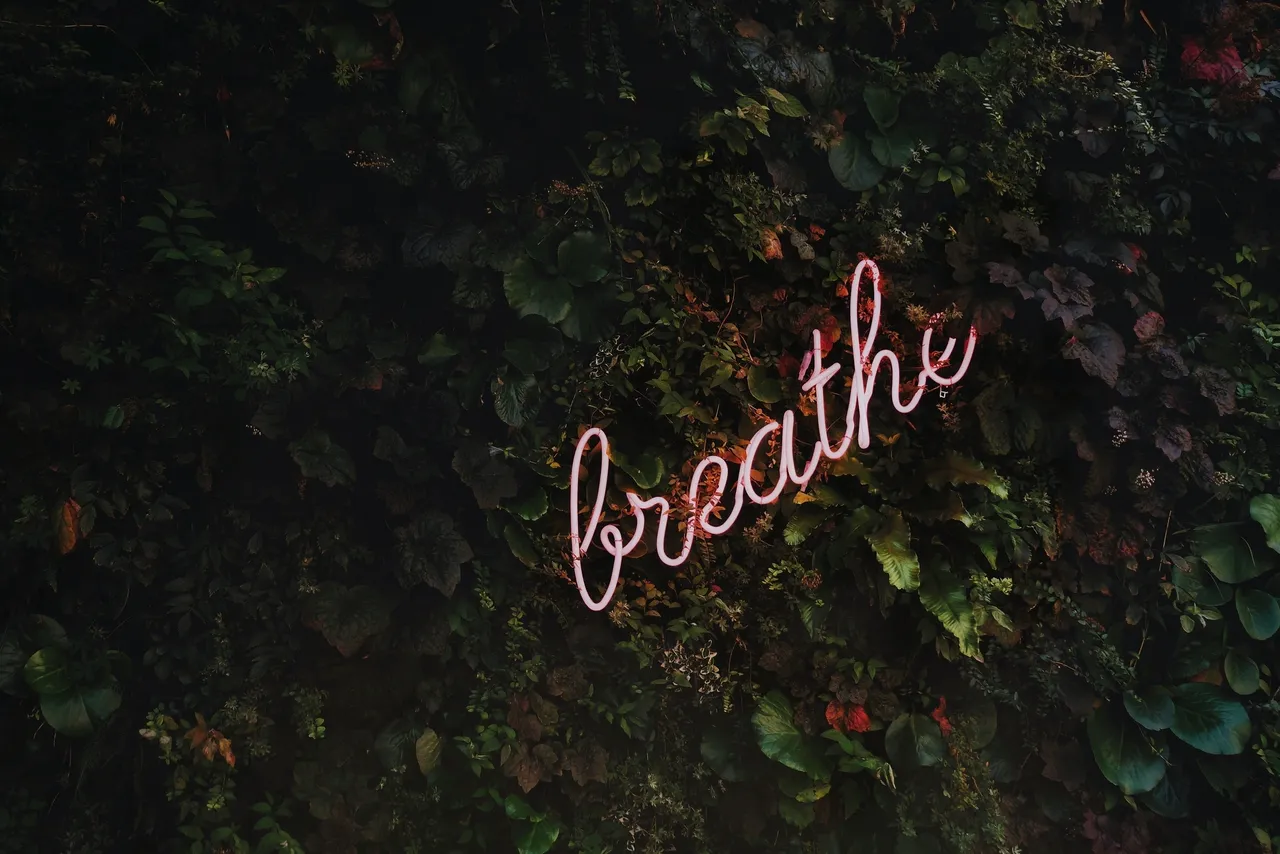
Understanding Our Body’s Stress Response: Different Types and Impacts_of Stress
We’ve all heard the word "stress" thrown around, haven’t we? It’s become this catch-all term tossed into conversations like “decrease your stress” or “lower your stress level", but when it comes down to it, how many of us really understand what that actually means? Sure, we know stress isn't great for us, but what’s behind those words when a doctor tells us to "reduce stress"? What are we really talking about, and how do we make it happen?
In this blog, we're going to unpack the different categories of stress because stress isn’t just one big, scary monster lurking in the shadows. There are specific areas and aspects of our lives that contribute to stress in unique ways, and recognizing them can make all the difference.
So, let’s break this down:
Stress is a natural reaction to situations that disrupt our balance, whether external (like work pressure) or internal (like mental strain). It activates various body systems, such as the nervous, hormonal, and immune systems, to help us respond, often through the "fight or flight" response. In small doses, stress can be helpful, improving performance and alertness. However, when stress persists or becomes too intense, it can negatively impact both physical and mental health.
The Stress Response: Adaptive Yet Potentially Harmful
The stress response helps the body handle challenges, such as injury or surgery, by reducing damage and promoting healing. However, chronic stress—especially if it's intense or repetitive—can lead to health issues like heart disease, anxiety, and depression. While short-term stress is manageable, prolonged exposure can wear down the body over time.
Eustress vs. Distress: Positive and Negative Stress
Not all stress is harmful. Eustress, or positive stress, challenges and motivates us, such as when preparing for a presentation or pursuing a goal. It boosts energy, mental clarity, and supports heart health. In contrast, distress overwhelms the body’s ability to cope, often resulting in anxiety and depression.
Types of Stress
Stress can be categorized by duration, source, and its effects on the body. Recognizing these types can help us manage their impact:
Acute Stress: Short-term stress triggered by immediate challenges, like deadlines, arguments, or traffic. It’s temporary and manageable, with the body returning to normal once the stressor is resolved.
Chronic Stress: Long-term stress from persistent issues like work pressure, relationship problems, chronic illness or financial problems. It can lead to serious health problems like heart disease and mental health disorders.
Episodic Acute Stress: Frequent episodes of acute stress, often due to disorganized lifestyles, can lead to burnout and affect health and well-being.
Traumatic Stress: Results from overwhelming events like accidents, domestic abuse, serious illness, death, of a loved one, or violence leading to PTSD. It requires professional intervention for recovery.
Environmental Stress: Stress from external factors like noise, pollution, or unsafe living conditions, which can cause both physical and mental health issues.
Psychological Stress: Triggered by emotional or cognitive factors, such as worry, academic pressure, workload and time management, or negative thought patterns. Managing it can involve seeking therapy, journaling, mindfulness practices, yoga, connecting with others, and learning healthy coping skills.
Physiological Stress: The body's response to physical challenges, such as illness or sleep deprivation. It can harm health if not managed through proper care and rest.
Managing Stress for Better Health
Managing stress is crucial for health. Effective strategies include exercise, meditation, and deep breathing. Identifying the type of stress can help tailor coping mechanisms. Chronic stress may require lifestyle changes or professional support, while acute stress can be relieved with short-term strategies. Just remember, change can start in small steps and the best place to start is with our breath.
Understanding Our Body’s Stress Response: Different Types and Impacts_of Stress
We’ve all heard the word "stress" thrown around, haven’t we? It’s become this catch-all term tossed into conversations like “decrease your stress” or “lower your stress level", but when it comes down to it, how many of us really understand what that actually means? Sure, we know stress isn't great for us, but what’s behind those words when a doctor tells us to "reduce stress"? What are we really talking about, and how do we make it happen?
In this blog, we're going to unpack the different categories of stress because stress isn’t just one big, scary monster lurking in the shadows. There are specific areas and aspects of our lives that contribute to stress in unique ways, and recognizing them can make all the difference.
So, let’s break this down:
Stress is a natural reaction to situations that disrupt our balance, whether external (like work pressure) or internal (like mental strain). It activates various body systems, such as the nervous, hormonal, and immune systems, to help us respond, often through the "fight or flight" response. In small doses, stress can be helpful, improving performance and alertness. However, when stress persists or becomes too intense, it can negatively impact both physical and mental health.
The Stress Response: Adaptive Yet Potentially Harmful
The stress response helps the body handle challenges, such as injury or surgery, by reducing damage and promoting healing. However, chronic stress—especially if it's intense or repetitive—can lead to health issues like heart disease, anxiety, and depression. While short-term stress is manageable, prolonged exposure can wear down the body over time.
Eustress vs. Distress: Positive and Negative Stress
Not all stress is harmful. Eustress, or positive stress, challenges and motivates us, such as when preparing for a presentation or pursuing a goal. It boosts energy, mental clarity, and supports heart health. In contrast, distress overwhelms the body’s ability to cope, often resulting in anxiety and depression.
Types of Stress
Stress can be categorized by duration, source, and its effects on the body. Recognizing these types can help us manage their impact:
Acute Stress: Short-term stress triggered by immediate challenges, like deadlines, arguments, or traffic. It’s temporary and manageable, with the body returning to normal once the stressor is resolved.
Chronic Stress: Long-term stress from persistent issues like work pressure, relationship problems, chronic illness or financial problems. It can lead to serious health problems like heart disease and mental health disorders.
Episodic Acute Stress: Frequent episodes of acute stress, often due to disorganized lifestyles, can lead to burnout and affect health and well-being.
Traumatic Stress: Results from overwhelming events like accidents, domestic abuse, serious illness, death, of a loved one, or violence leading to PTSD. It requires professional intervention for recovery.
Environmental Stress: Stress from external factors like noise, pollution, or unsafe living conditions, which can cause both physical and mental health issues.
Psychological Stress: Triggered by emotional or cognitive factors, such as worry, academic pressure, workload and time management, or negative thought patterns. Managing it can involve seeking therapy, journaling, mindfulness practices, yoga, connecting with others, and learning healthy coping skills.
Physiological Stress: The body's response to physical challenges, such as illness or sleep deprivation. It can harm health if not managed through proper care and rest.
Managing Stress for Better Health
Managing stress is crucial for health. Effective strategies include exercise, meditation, and deep breathing. Identifying the type of stress can help tailor coping mechanisms. Chronic stress may require lifestyle changes or professional support, while acute stress can be relieved with short-term strategies. Just remember, change can start in small steps and the best place to start is with our breath.
Latest Blogs

What Is Colonic Hydrotherapy? Procedure, Benefits, and Safety
Oct 17, 2026

What Conventional Medicine Gets Right and Functional Medicine Gets Right: A Fair Comparison
Oct 17, 2026

What Is a Holistic Health Practitioner? Roles, Benefits, and What to Expect
Oct 12, 2026

What Is Outpatient Mental Health Therapy? A Clear, Honest Breakdown
Aug 31, 2026

The 90-Day Wall: Why Most Wellness Plans Collapse by Month Three
Aug 6, 2026

Why More People Are Turning to a Functional Medicine Health Coach for Root-Cause Healing
Jul 14, 2026
Connect with us to begin your healing journey today.
Experience holistic healing that restores balance and vitality.
Connect with us to begin
your healing journey today.
Experience holistic healing that restores balance and vitality.
Connect with us to begin
your healing journey today.
Experience holistic healing that restores balance and vitality.
Connect with us to begin
your healing journey today.
Experience holistic healing that restores balance and vitality.
Latest New & Blogs
Related Blog Post
Related Blog Post
Newsletter Signup
Newsletter Signup
Newsletter Signup
Newsletter Signup
Get wellness tips, health insights, and exclusive updates in your inbox.
Get wellness tips, health insights, and exclusive updates in your inbox.
Get wellness tips, health insights, and exclusive updates in your inbox.
Get wellness tips, health insights, and exclusive updates in your inbox.