Table of Content
Title

Connect with
us to begin your healing journey today.
Experience holistic healing that restores balance and vitality.
Signs Your Detox Pathways Might Be Stagnant
Signs Your Detox Pathways Might Be Stagnant
Signs Your Detox Pathways Might Be Stagnant
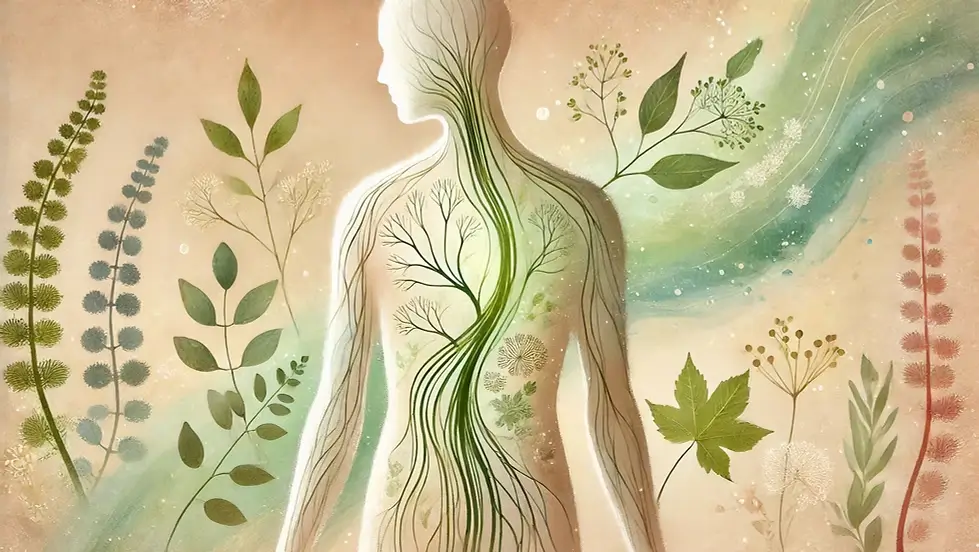
Fatigue that doesn’t lift, brain fog that clouds your focus, and stubborn skin breakouts are symptoms that can feel frustrating, especially when there’s no obvious explanation. While they might seem unrelated, they can actually be clues that your body’s natural detoxification systems aren’t functioning as efficiently as they could.
Your body is constantly working to eliminate waste, from everyday metabolic byproducts to environmental toxins, excess hormones, and inflammatory compounds. But when detox pathways become sluggish or overburdened, those substances can start to build up, leading to a cascade of symptoms.
Let’s explore the signs of detox stagnation, why they happen, and how you can begin to support your body’s natural detox flow.
What Are “Detox Pathways,” Anyway?
Think of your detox pathways as a network of routes your body uses to process and eliminate waste. The liver, lymphatic system, digestive tract, kidneys, skin, and lungs all play a role. These systems help convert fat-soluble toxins into water-soluble ones that can be flushed out through urine, stool, sweat, or exhalation.
When any of these systems get overwhelmed, whether due to chronic stress, poor diet, dehydration, toxin exposure, or sluggish digestion, the elimination process can slow down. This is when symptoms often begin to appear.
Common Signs Your Detox Pathways May Be Sluggish
1. Fatigue and Low Energy
When toxins and metabolic waste aren’t cleared efficiently, your body has to work harder to maintain balance. The result? You may feel tired even after a full night’s sleep, or notice that your energy dips early in the day.
2. Brain Fog and Poor Concentration
A foggy mind can be a sign of internal congestion. When detox pathways are stagnant, inflammatory byproducts and circulating waste can affect brain function, making it harder to focus or think clearly.
3. Skin Breakouts or Irritation
The skin is sometimes called the "third kidney" because of its role in detoxification. When the liver, lymph, or digestive system aren’t eliminating efficiently, the body may push toxins out through the skin, leading to acne, rashes, or a dull complexion.
4. Constipation or Irregular Bowel Movements
Regular elimination through the bowels is a key part of detoxification. If waste sits too long in the colon, toxins can be reabsorbed into the bloodstream, creating more work for the liver and increasing systemic inflammation.
5. Hormonal Imbalances
The liver helps metabolize and break down hormones, especially estrogen. If detox pathways are blocked or sluggish, excess hormones can recirculate, potentially leading to symptoms like PMS, mood swings, bloating, or irregular periods.
6. Frequent Headaches
Headaches can be linked to toxic overload or impaired liver function, especially if you're also experiencing sluggish digestion or food sensitivities.
7. Body Odor or Bad Breath
When toxins aren’t eliminated properly, they may find other exits, like your breath or sweat. Strong body odor or a persistent bad taste in your mouth can point to stagnation in the liver or digestive tract.
8. Bloating and Gas
Poor digestion, bacterial imbalance, and a sluggish liver can all contribute to bloating and excessive gas. These symptoms may worsen after eating rich, fatty foods.
9. Water Retention or Puffiness
The lymphatic system plays a role in clearing waste and managing fluid balance. If lymph flow becomes sluggish, you might feel puffy or swollen, especially in the face, hands, or ankles.
10. Increased Sensitivity to Smells or Chemicals
If you feel unusually sensitive to perfumes, cleaning products, or exhaust fumes, it could be a sign that your detox systems are overwhelmed and not clearing these exposures as efficiently.
What Causes Detox Stagnation?
There’s no one cause, but common contributors include:
Poor diet (especially high sugar, processed foods, or alcohol)
Chronic stress
Dehydration
Low fiber intake
Sedentary lifestyle
Environmental toxin exposure
Gut dysbiosis or poor digestion
Over time, these factors can burden your liver, slow down bowel movements, thicken lymphatic fluid, and limit your body's ability to offload waste effectively.
You Don’t Have to “Detox” Alone
Supporting your detox pathways doesn’t mean jumping on a juice cleanse or buying a shelf full of supplements. In fact, quick-fix “detoxes” can sometimes do more harm than good.
True detoxification is a daily, ongoing process, and it works best when the foundational systems of your body are supported with nourishment, hydration, movement, and personalized care.
Need Help Uncovering the Root of Your Symptoms?
If you're experiencing any of the signs above, it might be time to give your detox pathways a little support.
Our team at The Center for Natural Medicine can help uncover the root of these symptoms and support your body’s detox function. We’ll work with you to create a safe, sustainable plan that includes diet, lifestyle, and gentle therapies to get your body’s natural elimination systems flowing again.
References:
Dr. Miranda Labant. (n.d.). 10 Signs Your Liver Needs Detoxing. Retrieved from https://drmirandalabant.com/10-signs-your-liver-needs-detoxing/
Sukhavati Bali. (n.d.). 10 Signs Your Liver is Sluggish — and Tips to Help Detoxify. Retrieved from https://sukhavatibali.com/10-signs-your-liver-is-sluggish-and-tips-to-help-detoxify
Fatigue that doesn’t lift, brain fog that clouds your focus, and stubborn skin breakouts are symptoms that can feel frustrating, especially when there’s no obvious explanation. While they might seem unrelated, they can actually be clues that your body’s natural detoxification systems aren’t functioning as efficiently as they could.
Your body is constantly working to eliminate waste, from everyday metabolic byproducts to environmental toxins, excess hormones, and inflammatory compounds. But when detox pathways become sluggish or overburdened, those substances can start to build up, leading to a cascade of symptoms.
Let’s explore the signs of detox stagnation, why they happen, and how you can begin to support your body’s natural detox flow.
What Are “Detox Pathways,” Anyway?
Think of your detox pathways as a network of routes your body uses to process and eliminate waste. The liver, lymphatic system, digestive tract, kidneys, skin, and lungs all play a role. These systems help convert fat-soluble toxins into water-soluble ones that can be flushed out through urine, stool, sweat, or exhalation.
When any of these systems get overwhelmed, whether due to chronic stress, poor diet, dehydration, toxin exposure, or sluggish digestion, the elimination process can slow down. This is when symptoms often begin to appear.
Common Signs Your Detox Pathways May Be Sluggish
1. Fatigue and Low Energy
When toxins and metabolic waste aren’t cleared efficiently, your body has to work harder to maintain balance. The result? You may feel tired even after a full night’s sleep, or notice that your energy dips early in the day.
2. Brain Fog and Poor Concentration
A foggy mind can be a sign of internal congestion. When detox pathways are stagnant, inflammatory byproducts and circulating waste can affect brain function, making it harder to focus or think clearly.
3. Skin Breakouts or Irritation
The skin is sometimes called the "third kidney" because of its role in detoxification. When the liver, lymph, or digestive system aren’t eliminating efficiently, the body may push toxins out through the skin, leading to acne, rashes, or a dull complexion.
4. Constipation or Irregular Bowel Movements
Regular elimination through the bowels is a key part of detoxification. If waste sits too long in the colon, toxins can be reabsorbed into the bloodstream, creating more work for the liver and increasing systemic inflammation.
5. Hormonal Imbalances
The liver helps metabolize and break down hormones, especially estrogen. If detox pathways are blocked or sluggish, excess hormones can recirculate, potentially leading to symptoms like PMS, mood swings, bloating, or irregular periods.
6. Frequent Headaches
Headaches can be linked to toxic overload or impaired liver function, especially if you're also experiencing sluggish digestion or food sensitivities.
7. Body Odor or Bad Breath
When toxins aren’t eliminated properly, they may find other exits, like your breath or sweat. Strong body odor or a persistent bad taste in your mouth can point to stagnation in the liver or digestive tract.
8. Bloating and Gas
Poor digestion, bacterial imbalance, and a sluggish liver can all contribute to bloating and excessive gas. These symptoms may worsen after eating rich, fatty foods.
9. Water Retention or Puffiness
The lymphatic system plays a role in clearing waste and managing fluid balance. If lymph flow becomes sluggish, you might feel puffy or swollen, especially in the face, hands, or ankles.
10. Increased Sensitivity to Smells or Chemicals
If you feel unusually sensitive to perfumes, cleaning products, or exhaust fumes, it could be a sign that your detox systems are overwhelmed and not clearing these exposures as efficiently.
What Causes Detox Stagnation?
There’s no one cause, but common contributors include:
Poor diet (especially high sugar, processed foods, or alcohol)
Chronic stress
Dehydration
Low fiber intake
Sedentary lifestyle
Environmental toxin exposure
Gut dysbiosis or poor digestion
Over time, these factors can burden your liver, slow down bowel movements, thicken lymphatic fluid, and limit your body's ability to offload waste effectively.
You Don’t Have to “Detox” Alone
Supporting your detox pathways doesn’t mean jumping on a juice cleanse or buying a shelf full of supplements. In fact, quick-fix “detoxes” can sometimes do more harm than good.
True detoxification is a daily, ongoing process, and it works best when the foundational systems of your body are supported with nourishment, hydration, movement, and personalized care.
Need Help Uncovering the Root of Your Symptoms?
If you're experiencing any of the signs above, it might be time to give your detox pathways a little support.
Our team at The Center for Natural Medicine can help uncover the root of these symptoms and support your body’s detox function. We’ll work with you to create a safe, sustainable plan that includes diet, lifestyle, and gentle therapies to get your body’s natural elimination systems flowing again.
References:
Dr. Miranda Labant. (n.d.). 10 Signs Your Liver Needs Detoxing. Retrieved from https://drmirandalabant.com/10-signs-your-liver-needs-detoxing/
Sukhavati Bali. (n.d.). 10 Signs Your Liver is Sluggish — and Tips to Help Detoxify. Retrieved from https://sukhavatibali.com/10-signs-your-liver-is-sluggish-and-tips-to-help-detoxify
Latest Blogs

What Is Colonic Hydrotherapy? Procedure, Benefits, and Safety
Oct 17, 2026

What Conventional Medicine Gets Right and Functional Medicine Gets Right: A Fair Comparison
Oct 17, 2026

What Is a Holistic Health Practitioner? Roles, Benefits, and What to Expect
Oct 12, 2026

What Is Outpatient Mental Health Therapy? A Clear, Honest Breakdown
Aug 31, 2026

The 90-Day Wall: Why Most Wellness Plans Collapse by Month Three
Aug 6, 2026

Why More People Are Turning to a Functional Medicine Health Coach for Root-Cause Healing
Jul 14, 2026
Connect with us to begin your healing journey today.
Experience holistic healing that restores balance and vitality.

Connect with us to begin
your healing journey today.
Experience holistic healing that restores balance and vitality.
Connect with us to begin
your healing journey today.
Experience holistic healing that restores balance and vitality.
Connect with us to begin
your healing journey today.
Experience holistic healing that restores balance and vitality.
Latest New & Blogs
Related Blog Post
Related Blog Post
Newsletter Signup
Newsletter Signup
Newsletter Signup
Newsletter Signup
Get wellness tips, health insights, and exclusive updates in your inbox.
Get wellness tips, health insights, and exclusive updates in your inbox.
Get wellness tips, health insights, and exclusive updates in your inbox.
Get wellness tips, health insights, and exclusive updates in your inbox.