Table of Content
Title

Connect with
us to begin your healing journey today.
Experience holistic healing that restores balance and vitality.
Balancing AI with the Human Touch in Naturopathic Medicine
Balancing AI with the Human Touch in Naturopathic Medicine
Balancing AI with the Human Touch in Naturopathic Medicine
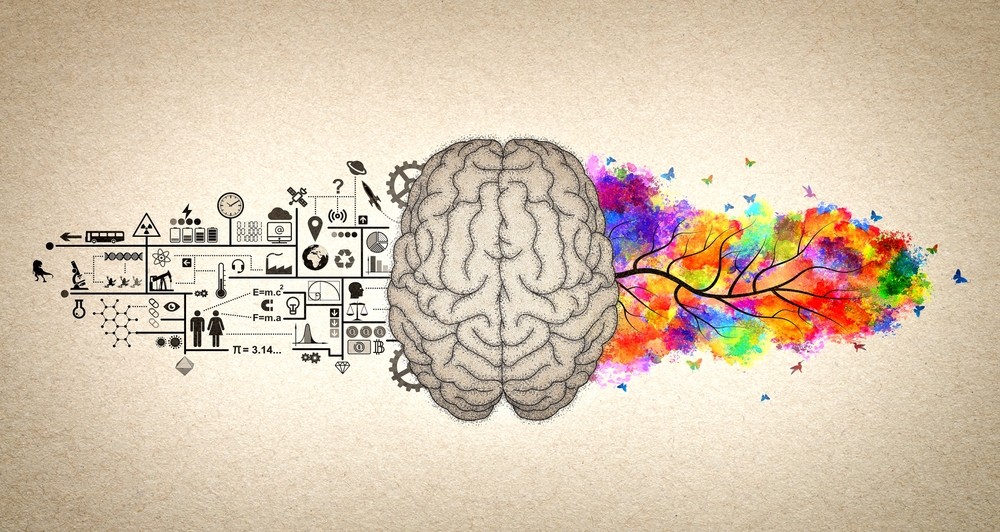
In today’s digital age, patients have more information at their fingertips than ever before. With just a few keystrokes, anyone can access detailed explanations of symptoms, explore potential diagnoses, or ask an AI-powered assistant, such as ChatGPT, for health recommendations. This technology has made health knowledge incredibly accessible, empowering patients to take more initiative in understanding their well-being.
But in the naturopathic and holistic health world, where connection, presence, and individualized care are the foundation of healing, a question arises: can AI ever truly replace the human element of care?
The answer, from a naturopathic perspective, is no, and here's why.
AI’s Role in Modern Healthcare
Artificial intelligence has been a remarkable advancement in healthcare. It can sift through massive amounts of data, analyze patterns, and offer insights that might take a human hours, or even days, to uncover. In some specialties, like radiology or early cognitive decline screening, AI supports diagnosis by catching subtle cues on scans or tests that clinicians might miss. It also streamlines administrative work, improves efficiency, and supports evidence-based decision-making.
For patients, it can be both a blessing and a curse. On one hand, it’s empowering to have symptom checkers, wellness trackers, and virtual health assistants available 24/7. On the other hand, this wealth of information can become overwhelming, misleading, or even anxiety-inducing when interpreted without context.
The Limitations of AI in Holistic Healing
Despite its speed and efficiency, AI lacks a vital component of care: human understanding.
AI cannot hold a patient’s hand during a difficult diagnosis. It cannot sense subtle shifts in body language, tone, or energy. It cannot adapt its presence to the emotional state of the person across from it. These are the very things that many naturopathic practitioners, nurses, and other holistic providers are trained to notice, often before a patient can verbalize them.
AI also cannot fully account for the complexity of human life. It may recognize symptom clusters, but it does not intuitively consider emotional trauma, energetic imbalances, or the deep-rooted spiritual components that often underlie chronic illness. This is where the wisdom of traditional care shines, through observation, intuition, and the therapeutic relationship itself.
The Foundations of Naturopathic Medicine
Naturopathic medicine is built on six core principles that guide practitioners in treating not just symptoms, but the whole person. These principles include:
The Healing Power of Nature
Identifying and Treating the Root Cause
Doing no Harm
Treating the Whole Person
Doctor as Teacher
Focus on Prevention
Each of these requires time, presence, and relationship. For example, “treating the whole person” involves understanding a patient's physical, mental, emotional, and even environmental health. These are not things that can be fully grasped through digital intake forms or AI-generated advice.
Many naturopathic modalities, including acupuncture, homeopathy, manual manipulation, hydrotherapy, and hands-on physical exams, also require the practitioner’s physical presence. This embodied care allows practitioners to use all of their senses: sight, touch, smell, and intuitive knowing to assess and support the patient’s healing.
Why the Human Connection Still Matters
There’s something deeply healing about being truly seen and heard. The practitioner-patient relationship, especially in holistic medicine, often holds space for personal transformation, emotional release, and long-term behavior change. Algorithms cannot replicate these things, no matter how advanced.
Patients often remember how they felt during a visit, not just what was said. Did they feel respected? Safe? Cared for? These subtle yet powerful emotional impressions are part of what fuels healing.
It is essential to approach care with empathy, curiosity, and compassion. Whether interpreting lab results, discussing lifestyle changes, or addressing the emotional weight of chronic illness, human connection creates a bridge that no machine can replace.
Using AI as a Tool, Not a Replacement
Of course, AI isn’t the enemy. It can be a helpful partner when used wisely. AI tools can support patient education, help practitioners stay updated on the latest research, and even assist with clinical decision-making. But we must remember: AI is just that, a tool.
The art of healing lies in integrating the scientific with the intuitive, the technological with the human. We can embrace innovation while preserving what is sacred in healthcare: presence, trust, and meaningful connection.
Conclusion: A Holistic Future Rooted in Humanity
Technology will continue to evolve, and AI will undoubtedly play a larger role in how healthcare is delivered. But in naturopathic and holistic medicine, where the mind-body-spirit connection is central, the presence of a compassionate practitioner remains irreplaceable.
As patients and practitioners alike, let us use AI wisely, but never forget the profound healing power that comes from being seen, heard, and cared for by another human being.
If you're looking for truly personalized, integrative care that blends natural medicine with emotional and energetic support, we invite you to connect with us at the Center for Natural Medicine. Our compassionate, collaborative team offers a variety of healing modalities to meet your individual needs, whether you're seeking support for physical symptoms, emotional well-being, or whole-person balance. Reach out today and experience the difference that human-centered care can make.
References:
Akingbola, A., Adeleke, O., Idris, A., Adewole, O., & Adegbesan, A. (2024). Artificial intelligence and the dehumanization of patient care. Journal of Medicine, Surgery, and Public Health, 3, 100138. https://doi.org/10.1016/j.glmedi.2024.100138
Association of Accredited Naturopathic Medical Colleges. (n.d.). The 6 guiding principles of naturopathic medicine. https://aanmc.org/6-principles/
ShiftMed. (n.d.). Beyond algorithms: Why healthcare needs both technology and human touch. https://tinyurl.com/bddm25cu
In today’s digital age, patients have more information at their fingertips than ever before. With just a few keystrokes, anyone can access detailed explanations of symptoms, explore potential diagnoses, or ask an AI-powered assistant, such as ChatGPT, for health recommendations. This technology has made health knowledge incredibly accessible, empowering patients to take more initiative in understanding their well-being.
But in the naturopathic and holistic health world, where connection, presence, and individualized care are the foundation of healing, a question arises: can AI ever truly replace the human element of care?
The answer, from a naturopathic perspective, is no, and here's why.
AI’s Role in Modern Healthcare
Artificial intelligence has been a remarkable advancement in healthcare. It can sift through massive amounts of data, analyze patterns, and offer insights that might take a human hours, or even days, to uncover. In some specialties, like radiology or early cognitive decline screening, AI supports diagnosis by catching subtle cues on scans or tests that clinicians might miss. It also streamlines administrative work, improves efficiency, and supports evidence-based decision-making.
For patients, it can be both a blessing and a curse. On one hand, it’s empowering to have symptom checkers, wellness trackers, and virtual health assistants available 24/7. On the other hand, this wealth of information can become overwhelming, misleading, or even anxiety-inducing when interpreted without context.
The Limitations of AI in Holistic Healing
Despite its speed and efficiency, AI lacks a vital component of care: human understanding.
AI cannot hold a patient’s hand during a difficult diagnosis. It cannot sense subtle shifts in body language, tone, or energy. It cannot adapt its presence to the emotional state of the person across from it. These are the very things that many naturopathic practitioners, nurses, and other holistic providers are trained to notice, often before a patient can verbalize them.
AI also cannot fully account for the complexity of human life. It may recognize symptom clusters, but it does not intuitively consider emotional trauma, energetic imbalances, or the deep-rooted spiritual components that often underlie chronic illness. This is where the wisdom of traditional care shines, through observation, intuition, and the therapeutic relationship itself.
The Foundations of Naturopathic Medicine
Naturopathic medicine is built on six core principles that guide practitioners in treating not just symptoms, but the whole person. These principles include:
The Healing Power of Nature
Identifying and Treating the Root Cause
Doing no Harm
Treating the Whole Person
Doctor as Teacher
Focus on Prevention
Each of these requires time, presence, and relationship. For example, “treating the whole person” involves understanding a patient's physical, mental, emotional, and even environmental health. These are not things that can be fully grasped through digital intake forms or AI-generated advice.
Many naturopathic modalities, including acupuncture, homeopathy, manual manipulation, hydrotherapy, and hands-on physical exams, also require the practitioner’s physical presence. This embodied care allows practitioners to use all of their senses: sight, touch, smell, and intuitive knowing to assess and support the patient’s healing.
Why the Human Connection Still Matters
There’s something deeply healing about being truly seen and heard. The practitioner-patient relationship, especially in holistic medicine, often holds space for personal transformation, emotional release, and long-term behavior change. Algorithms cannot replicate these things, no matter how advanced.
Patients often remember how they felt during a visit, not just what was said. Did they feel respected? Safe? Cared for? These subtle yet powerful emotional impressions are part of what fuels healing.
It is essential to approach care with empathy, curiosity, and compassion. Whether interpreting lab results, discussing lifestyle changes, or addressing the emotional weight of chronic illness, human connection creates a bridge that no machine can replace.
Using AI as a Tool, Not a Replacement
Of course, AI isn’t the enemy. It can be a helpful partner when used wisely. AI tools can support patient education, help practitioners stay updated on the latest research, and even assist with clinical decision-making. But we must remember: AI is just that, a tool.
The art of healing lies in integrating the scientific with the intuitive, the technological with the human. We can embrace innovation while preserving what is sacred in healthcare: presence, trust, and meaningful connection.
Conclusion: A Holistic Future Rooted in Humanity
Technology will continue to evolve, and AI will undoubtedly play a larger role in how healthcare is delivered. But in naturopathic and holistic medicine, where the mind-body-spirit connection is central, the presence of a compassionate practitioner remains irreplaceable.
As patients and practitioners alike, let us use AI wisely, but never forget the profound healing power that comes from being seen, heard, and cared for by another human being.
If you're looking for truly personalized, integrative care that blends natural medicine with emotional and energetic support, we invite you to connect with us at the Center for Natural Medicine. Our compassionate, collaborative team offers a variety of healing modalities to meet your individual needs, whether you're seeking support for physical symptoms, emotional well-being, or whole-person balance. Reach out today and experience the difference that human-centered care can make.
References:
Akingbola, A., Adeleke, O., Idris, A., Adewole, O., & Adegbesan, A. (2024). Artificial intelligence and the dehumanization of patient care. Journal of Medicine, Surgery, and Public Health, 3, 100138. https://doi.org/10.1016/j.glmedi.2024.100138
Association of Accredited Naturopathic Medical Colleges. (n.d.). The 6 guiding principles of naturopathic medicine. https://aanmc.org/6-principles/
ShiftMed. (n.d.). Beyond algorithms: Why healthcare needs both technology and human touch. https://tinyurl.com/bddm25cu
Latest Blogs

What Is Colonic Hydrotherapy? Procedure, Benefits, and Safety
Oct 17, 2026

What Conventional Medicine Gets Right and Functional Medicine Gets Right: A Fair Comparison
Oct 17, 2026

What Is a Holistic Health Practitioner? Roles, Benefits, and What to Expect
Oct 12, 2026

What Is Outpatient Mental Health Therapy? A Clear, Honest Breakdown
Aug 31, 2026

The 90-Day Wall: Why Most Wellness Plans Collapse by Month Three
Aug 6, 2026

Why More People Are Turning to a Functional Medicine Health Coach for Root-Cause Healing
Jul 14, 2026
Connect with us to begin your healing journey today.
Experience holistic healing that restores balance and vitality.
Connect with us to begin
your healing journey today.
Experience holistic healing that restores balance and vitality.
Connect with us to begin
your healing journey today.
Experience holistic healing that restores balance and vitality.
Connect with us to begin
your healing journey today.
Experience holistic healing that restores balance and vitality.
Latest New & Blogs
Related Blog Post
Related Blog Post
Newsletter Signup
Newsletter Signup
Newsletter Signup
Newsletter Signup
Get wellness tips, health insights, and exclusive updates in your inbox.
Get wellness tips, health insights, and exclusive updates in your inbox.
Get wellness tips, health insights, and exclusive updates in your inbox.
Get wellness tips, health insights, and exclusive updates in your inbox.